TLDR
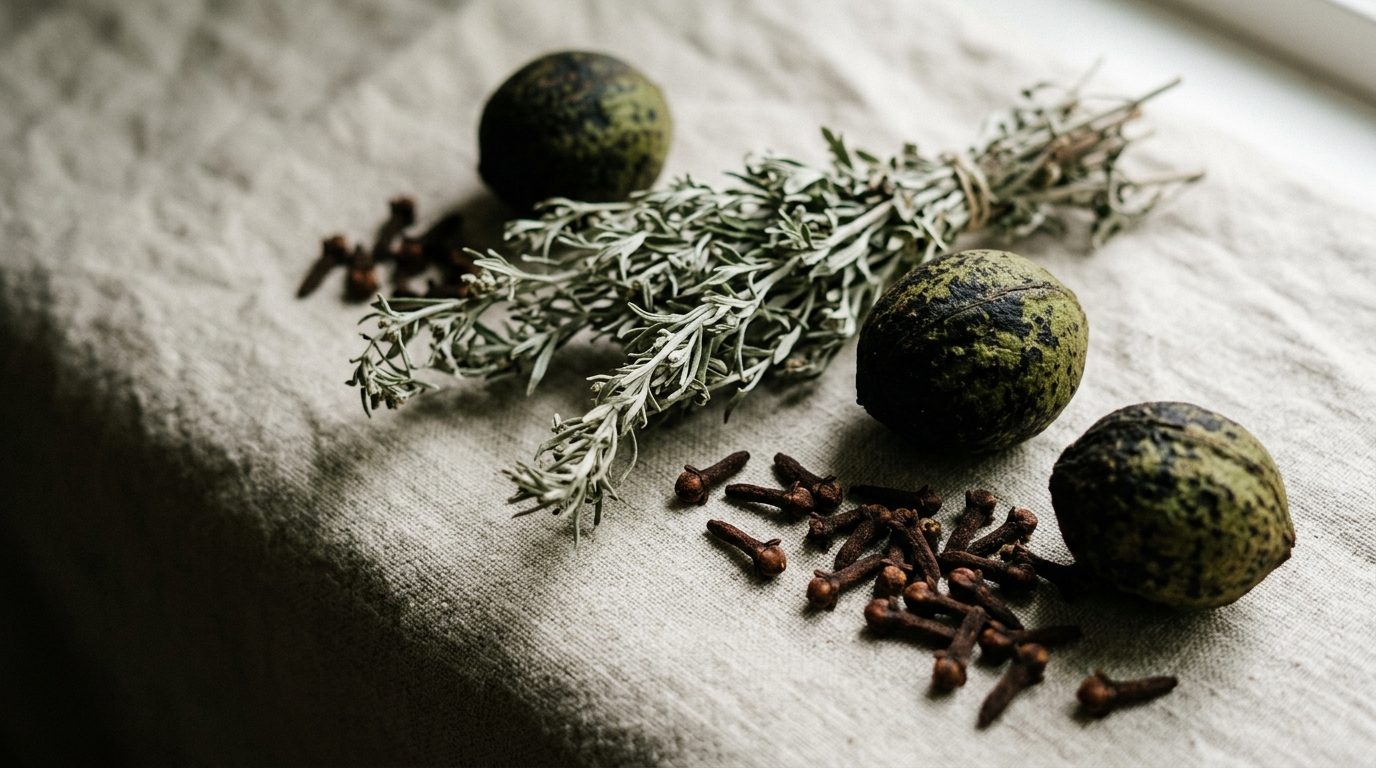
Black walnut hull, wormwood and clove are combined because each is traditionally understood to act on a different stage of a parasite’s life: black walnut on adults, wormwood on larvae, clove on eggs. The lab evidence for each herb is real but mostly in vitro or in animals. The trio is the base of the Amish cleanse, of most commercial kits, and of the ParaFy formula.
In this guide you’ll get what each herb does and what the research actually shows, why the three are taken together, how dosing and cycling work, who should avoid them, and how the homemade version compares with a prepared protocol.
Why the Same Three Herbs Keep Turning Up
Look at the label of almost any herbal parasite cleanse and you’ll find the same three names. Black walnut hull. Wormwood. Clove.
They’re in the Amish parasite cleanse. They’re in the kits sold online. They’re in the ParaFy formula. Different bottles, different prices, same base.
That’s not a coincidence, and it’s not a marketing trick either. The three were paired long before anyone sold them together, and the reason they stuck is that each one is traditionally understood to do a different job.
So this guide does something the labels don’t. It goes through each herb on its own, looks honestly at what the research shows and what it doesn’t, and then explains why the combination makes more sense than any one of them alone.
The Life-Cycle Logic Behind the Trio
Here’s the idea that holds the whole thing together.
A parasite isn’t one thing. It’s an egg, then a larva, then an adult, and an adult that survives lays more eggs. Anything that only touches one of those stages leaves the others behind to start the cycle again.
The traditional division of labour goes like this:
| Herb | Traditional target | Key compound | Usual form |
|---|---|---|---|
| Black walnut hull | Adult-stage organisms | Juglone, tannins | Green-hull tincture |
| Wormwood | Larval and developing stages | Absinthin, thujone | Tincture or capsule |
| Clove | Eggs | Eugenol | Freshly ground, capsule or tincture |
Worth being honest here. That neat three-way split is a traditional model, not a proven mechanism. The lab work on each herb overlaps more than the table suggests, and nobody has run a human trial testing the trio against the stages one by one.
But the model has survived for a reason. It answers the question every single-herb approach runs into: what about the eggs?
Black Walnut Hull: The Backbone
Not the nut. Not the shell. The green outer casing, picked while it’s still green, because that’s when it’s strongest.
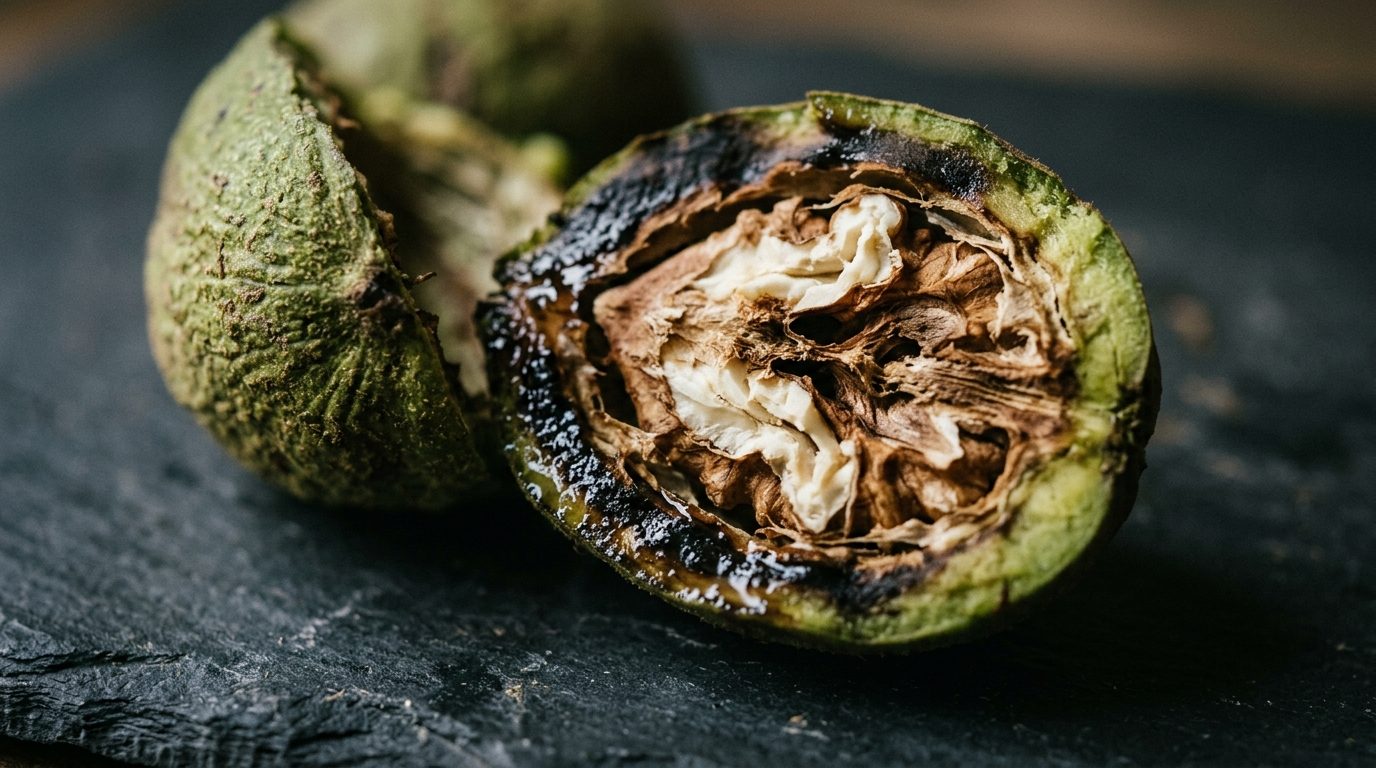
The compound everyone talks about is juglone. It’s the same thing that stops other plants growing under a walnut tree. In the lab it interferes with how certain organisms make energy, and it generates oxidative stress inside them.
What the research shows: extracts from walnut species have paralysed or killed intestinal worms in vitro, and juglone has inhibited single-celled organisms including Giardia, Trypanosoma cruzi, Leishmania and Toxoplasma in lab conditions.
What it doesn’t show: any of that happening in a human gut. There are no large clinical trials. So black walnut hull has a real laboratory story and a long traditional one, and a gap in between that hasn’t been filled.
The hull also carries tannins, which are astringent. That’s the tightening, drying feel you get from strong black tea, and it’s part of why herbalists see the hull as supportive to the gut lining rather than only hostile to what lives in it.
One practical point. Juglone degrades in dried hull. That’s why the traditional form is a tincture made from fresh green hulls, and why a good tincture is dark brown to black. The colour is the compound oxidising.
Wormwood: The One That Needs Respect
The name gives it away. Artemisia absinthium has been used against intestinal worms since ancient Egypt, and it’s the herb that gives the trio its reputation, both for strength and for needing care.
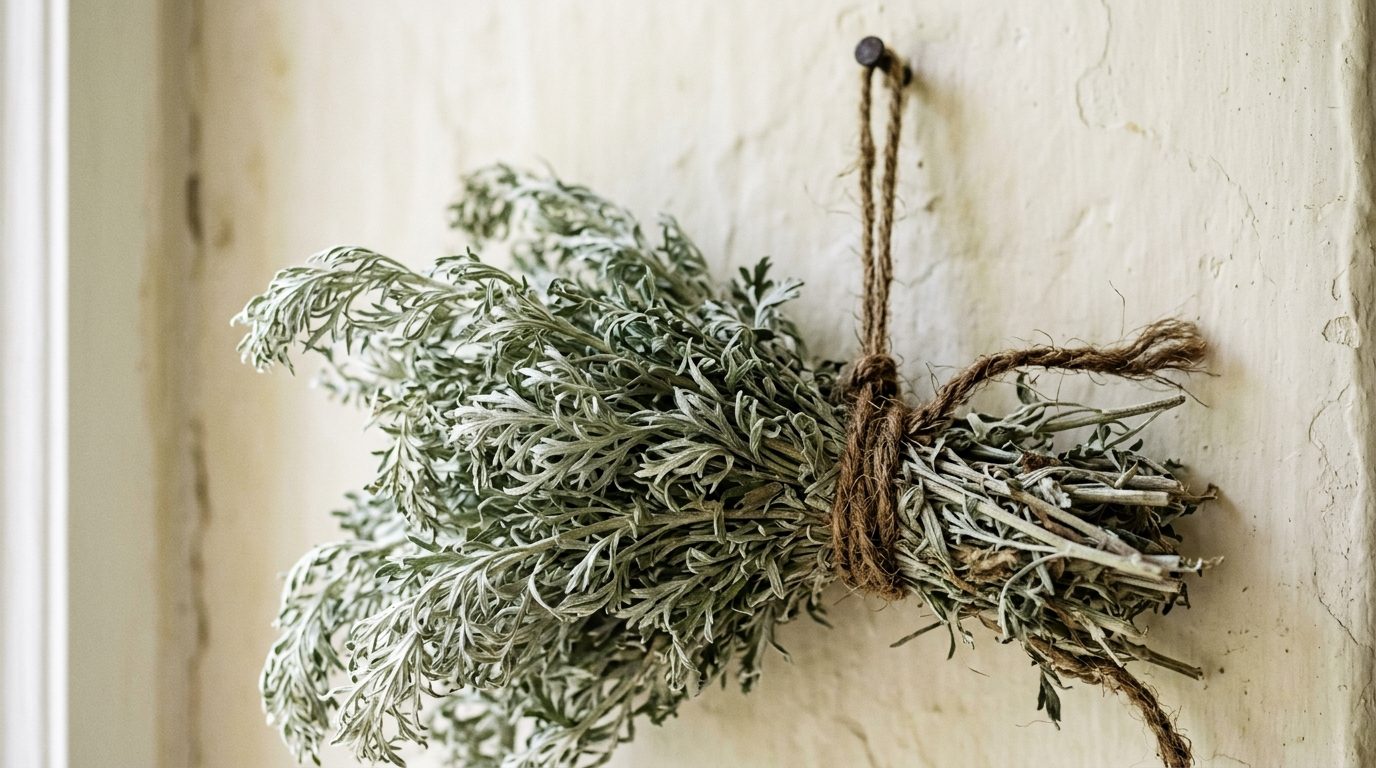
Two compounds matter. Absinthin, which is the intense bitter. And thujone, which is the one to understand before you take it.
The research on wormwood is a little stronger than for the other two. A study in the Journal of Helminthology tested it against the dwarf tapeworm Hymenolepis nana both in vitro and in infected animals, alongside the drug praziquantel, and found genuine activity. Other work has shown effects against Trichinella, Ascaris and livestock worms. Still animals, still not a human trial, but closer.
Now thujone. In large enough amounts it acts on the nervous system and can trigger seizures. That’s not a scare story, it’s the reason absinthe was banned for a century. The reassuring part is that the amount in a normal tincture or capsule sits well below that threshold. The practical part is that it’s why wormwood is cycled rather than taken continuously, and why it’s off the table for anyone with a seizure disorder or who is pregnant.
Wormwood is also a serious bitter. Bitters trigger stomach acid and bile. That matters more than it sounds, because a gut with good acid and bile flow is a harder place for anything unwanted to settle. Some of what wormwood does is simply making your own digestion less hospitable.
Clove: The Egg Question
Clove is in the trio for one reason. Eggs.
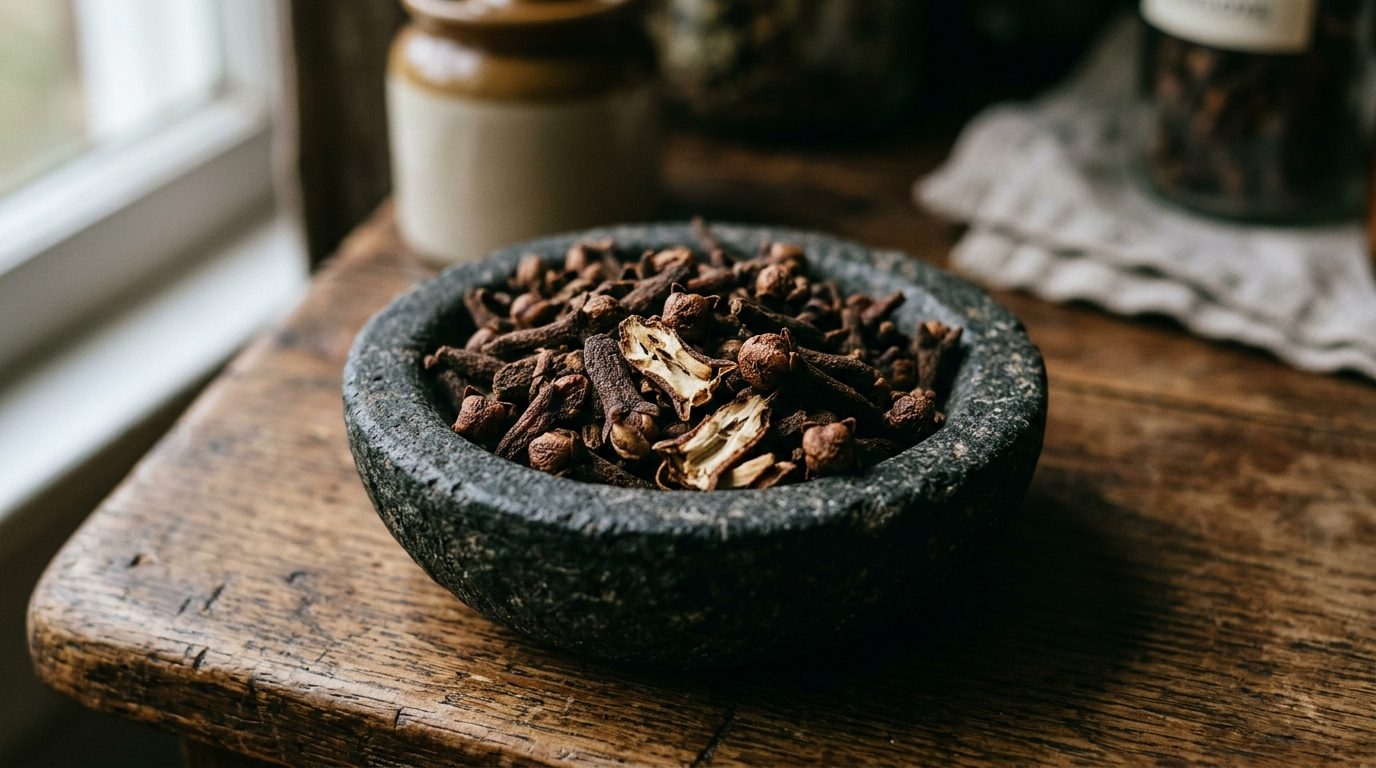
The active compound is eugenol, which makes up most of clove oil. The traditional claim is that the other two herbs deal with adults and larvae while eugenol breaks down eggs, so a new generation doesn’t hatch the week after you finish.
Here’s where the evidence needs care. Eugenol has a clear antiparasitic record in the lab. A 2023 study found it active against both the muscle larvae and the adult stage of Trichinella spiralis, a parasite that does infect humans. What it does not have is a study showing it kills the eggs of pinworm, roundworm or hookworm in a human gut. Nearly all the egg-killing data comes from ticks, mosquitoes, lice and agricultural pests.
So the egg story is traditional, plausible, and unproven for the parasites people are actually worried about. That’s the honest position. Clove has earned its place in the trio, but the reason it’s there is older than the research.
Two things are less debatable. Clove is a carminative, meaning it eases gas and bloating, which is useful in the middle of a cleanse. And it should be ground fresh. Eugenol is volatile and pre-ground clove that’s been sitting in a jar has lost a lot of it.
Want to See the Trio Inside a Full Protocol?
The ParaFy formula pairs black walnut hull, wormwood and clove with hawthorn and garlic, then sequences drainage and binding around them.
What’s in the ParaFy KitWhere the Trio Came From
Each herb has its own history. Wormwood in Egyptian, Greek and Roman medicine. Black walnut among Native American communities. Clove across South Asian and Chinese traditions.
Taking the three together as a set is more recent. Rural households, including Amish and Mennonite ones, made and passed down combinations of bitter herbs for worms, and the recipe that survives is built on exactly this base.
What put the trio into every health-food shop was Hulda Clark’s work in the 1990s. Her protocol paired green black walnut hull tincture with wormwood and clove capsules, ramped up over a few weeks. Plenty of her wider claims have been rightly criticised. The three-herb structure outlived the controversy because it was already sensible on its own terms.
Amish Version vs Prepared Formula
Same three herbs. Different approach to everything around them.
| Homemade (Amish-style) | Prepared formula (ParaFy) | |
|---|---|---|
| Core herbs | Black walnut hull, wormwood, clove | Same three, plus hawthorn berry and garlic |
| Potency | Unknown, depends on the hulls and the steep | Standardised per dose |
| Dosing | Drops or cups, adjusted by feel | 15 drops, three times daily before meals |
| Drainage and binding | Left to you | Built into the kit as separate steps |
| Cost | Low, if you can source green hulls | Higher, one purchase |
| Time to make | Four to six weeks for a tincture | None |
The two extra herbs in the prepared version aren’t there to kill anything. Hawthorn berry is a circulatory and drainage support. Garlic adds its own antimicrobial compounds and helps with biofilm. They round the trio out rather than replacing it.
Neither route is wrong. The homemade one asks more of you and the prepared one asks more of your wallet. What matters is that the herbs are only half of either approach.
Dosing and Cycling
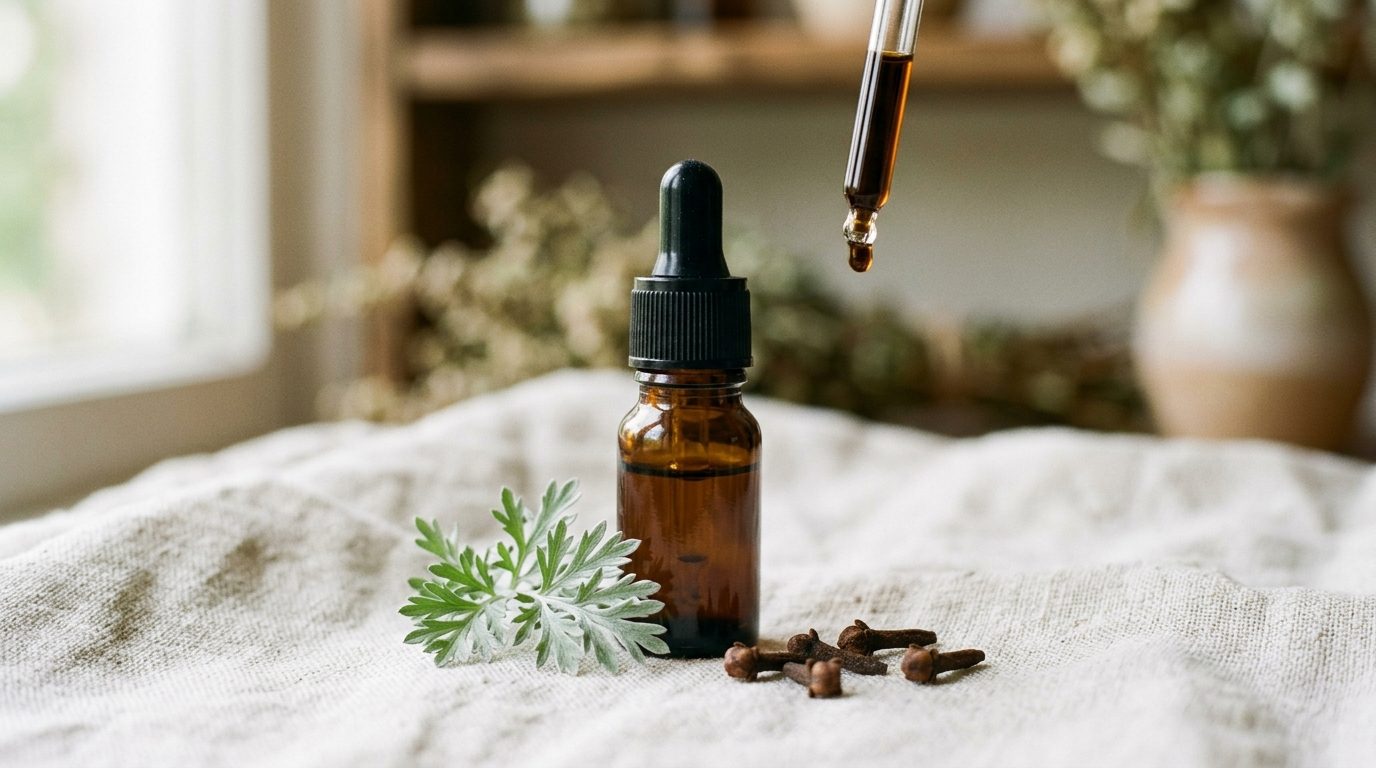
Whatever form you use, the shape is the same. Start low, build up, take it for a defined stretch, then stop.
Tincture. Traditionally 10 to 15 drops in a little water, two or three times a day on an empty stomach, building over the first week toward 20 to 30 drops. This is the form that suits black walnut best, because the hull loses juglone when dried.
Capsules. Fine for wormwood and clove, whose compounds are more stable dry. Easier to dose, and you avoid the bitterness. Most kits use a mix: hull as tincture, the other two as capsules, or all three in one liquid.
Duration. Thirty days is the common floor, because it covers at least one reproductive cycle of the parasites people most often worry about. Some run to 60. Wormwood in particular should not run for months without a break.
The break. Two to four weeks on, then a week or two off, then repeat if needed. This is not an optional extra. The rest lets your body settle, and it gives any eggs that survived time to hatch into a stage the next round can reach. That’s the whole point of cycling.
Empty stomach or with food? The tradition says before meals. If that makes you nauseous, a small amount of food is a reasonable compromise and most practitioners agree.
If you’d rather someone else worked out the schedule, the step-by-step cleanse guide lays out a full month.
The Part the Herbs Can’t Do
Here’s the thing most people learn the hard way.
Whatever these herbs affect has to leave your body. If your bowels aren’t moving daily, if you’re not drinking enough water, if your liver and lymph are sluggish, then what gets stirred up has nowhere to go. It gets reabsorbed, and you feel dreadful.
That feeling gets called die-off. Some of it is. A lot of it is simply blocked drainage pathways.
Two things fix most of it. Open the pathways before you start, meaning bowels, water, liver support, movement. And take a binder, something like activated charcoal or bentonite clay, spaced two hours from the herbs, so what’s released gets carried out rather than recirculated.
Every homemade recipe stops at the herbs. That’s the gap a prepared protocol is really filling.
Herbs, Drainage and Binder, Already Sequenced
The ParaFy Kit takes the same trio and adds the drainage and binding steps a recipe leaves out. Read the full review before deciding.
Read the ParaFy Kit ReviewWho Should Not Take These
Being clear about this matters more than being encouraging.
Pregnancy and breastfeeding. No. Thujone can stimulate the uterus and black walnut hull hasn’t been studied for safety here.
Seizure disorders. No, because of thujone.
Nut allergy. The hull is a different part of the plant from the nut, but cross-reactivity is possible. Talk to someone first.
Daisy-family allergy. Wormwood is in the same family as ragweed and chamomile.
Liver or kidney conditions. Both herbs ask something of the liver. Get advice, and get your drainage sorted first if you go ahead.
Blood thinners and anticonvulsants. Check interactions with a pharmacist. Bitter herbs can change how some drugs are absorbed.
Children. A smaller pour of an adult tincture is not a children’s dose. The kids’ guide covers what’s different, including why prepared formulas set an age floor of three.
Herbs or Medication?
A fair question, and the answer isn’t either-or.
If you have a diagnosed infection, a prescription antiparasitic is faster and better evidenced, and the trio is not a substitute. If you’re doing periodic maintenance without a diagnosis, the herbs are what people reach for, and the comparison between the two approaches is laid out in the dewormer for humans guide.
If You’d Rather Not Assemble It Yourself
Making a hull tincture is satisfying, and if you have a black walnut tree nearby it’s close to free.
It also means guessing at potency, waiting six weeks, and building the drainage side with no map.
If you’d rather start from something already structured, with these three herbs and the supporting steps sequenced together, RogersHood Apothecary is where we’d point you. Same tradition, put together as a protocol rather than a recipe.
Curious About Where to Start?
The same three herbs, in a structured 30-day protocol with drainage and binding built in.
Visit RogersHood ApothecaryThe Bottom Line
Black walnut hull, wormwood and clove are combined because each one is traditionally understood to reach a stage the others miss. The lab evidence behind each is real. The human evidence is thin. That’s true of almost every herbal protocol, and it’s worth knowing before you start rather than after.
Take them in cycles. Keep your drainage open. Use a binder. Skip them entirely if you’re pregnant or have a seizure disorder.
And that’s worth knowing.
Frequently Asked Questions
Why are black walnut, wormwood and clove taken together?
Because each is traditionally understood to act on a different life stage. Black walnut hull on adult organisms, wormwood on larvae and developing stages, clove on eggs. Taking one alone leaves the other stages to restart the cycle. The split is a traditional model rather than a proven mechanism, but it’s the reason the trio has outlasted every single-herb approach.
Does the black walnut wormwood clove combination actually work?
Each herb has laboratory and animal evidence of antiparasitic activity. Wormwood has the strongest, including an animal study against dwarf tapeworm compared with praziquantel. What doesn’t exist is a human clinical trial of the trio. So it works in the sense that the compounds do something measurable, and it’s unproven in the sense that matters most. Anyone claiming certainty either way is ahead of the evidence.
Can you take black walnut and wormwood without clove?
You can, and some people do. The traditional reason for clove is the egg stage. Leave it out and you may need extra rounds, spaced a couple of weeks apart, to catch newly hatched organisms. If you have a clove sensitivity, that cycling approach is the workaround.
How long should you take the trio for?
Thirty days is the usual floor, which covers a reproductive cycle of the most common intestinal parasites. Some protocols run to 60. Wormwood should not be taken continuously for months. Two to four weeks on, one to two off, and repeat if needed is the traditional shape.
Is wormwood dangerous because of thujone?
In large amounts thujone acts on the nervous system and can cause seizures. The amount in a normal tincture or capsule dose sits well below that. The sensible response is not to avoid wormwood but to cycle it, keep to stated doses, and skip it entirely if you have a seizure disorder or are pregnant or breastfeeding.
Tincture or capsules?
Tincture for black walnut hull, because juglone degrades in the dried hull and a fresh green-hull extract keeps more of it. Capsules are fine for wormwood and clove, whose compounds are stable dry, and they avoid the bitterness. Many kits mix the two forms. Liquid formulas that contain all three are also common.
Do I need a binder with these herbs?
It’s the step most people skip and then regret. A binder such as activated charcoal or bentonite clay, taken two hours away from the herbs, carries what’s been released out of the body rather than letting it recirculate. Most of what gets called die-off is really the absence of a binder and open drainage.
Is this the same as the Amish parasite cleanse?
The Amish cleanse is built on exactly these three herbs, made as a tincture or a tea. What differs is everything around them. A prepared formula standardises the dose, adds supporting herbs like hawthorn and garlic, and sequences drainage and binding as separate steps. The herbs are the same. The structure isn’t.