TLDR
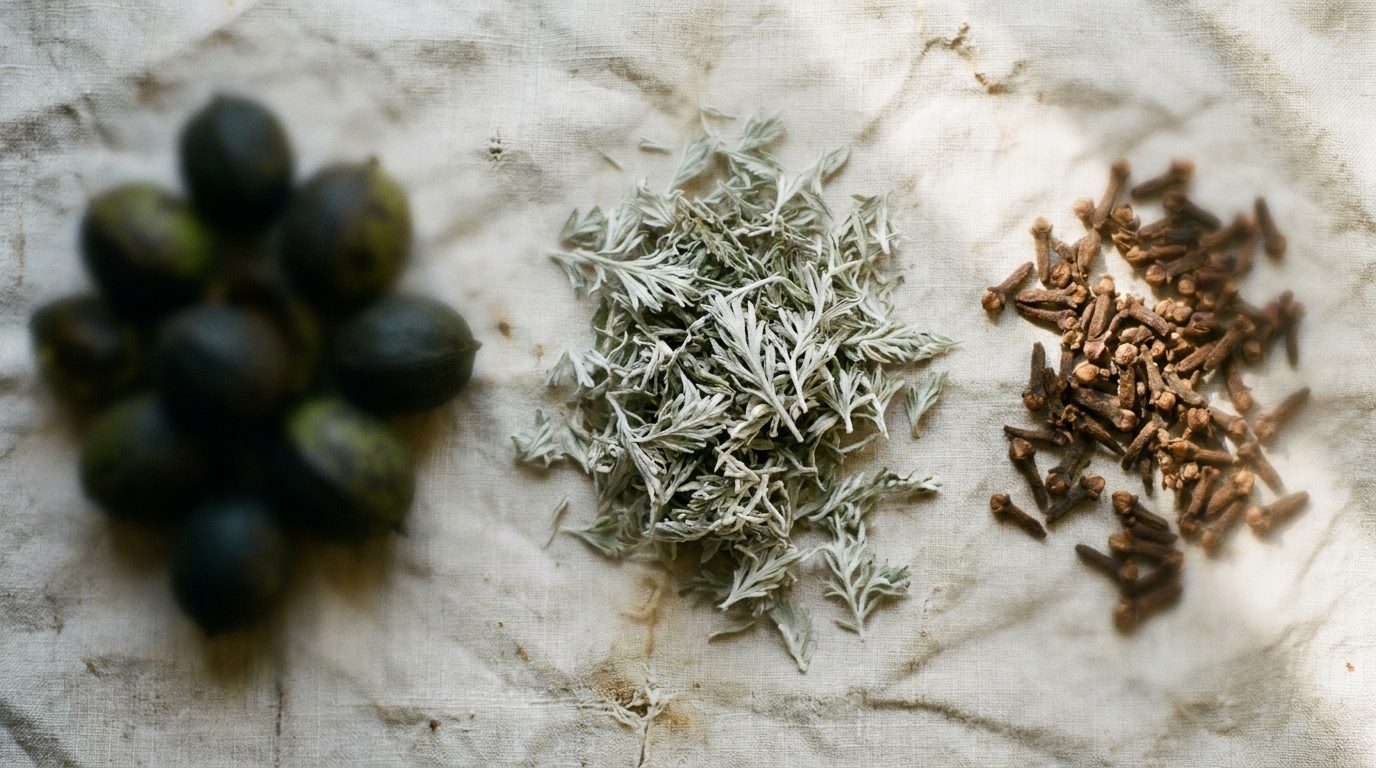
There is no single official Amish parasite cleanse recipe. What gets passed around is a family of preparations built on the same three bitter herbs: black walnut hull, wormwood, and clove. They are made either as an alcohol tincture or as a strong tea, then taken in small amounts several times a day over a few weeks.
In this post, you’ll get the actual preparation methods, the traditional proportions, the timing patterns people follow, and the one step most recipes leave out entirely.
Why Every Recipe You Find Says Something Different
You search for the recipe. You find six versions. One says fourteen days, another says thirty. One uses green hulls, another uses powder. The measurements never match.
It’s frustrating. And it makes the whole thing feel unreliable.
Here’s the thing. That inconsistency isn’t a sign the tradition is fake. It’s a sign of what the tradition actually is.
The Amish parasite cleanse was never a product with a label. It came out of rural households where people made what they had from what grew nearby, and passed the method down by showing rather than writing. Proportions shifted from family to family. So did the timing.
What stayed consistent is the core. Three bitter herbs, prepared simply, taken in small repeated doses over weeks rather than days.
That’s the recipe. Everything else is variation.
The Three Herbs at the Base of It
Almost every version starts here.
Black walnut hull. The green outer casing of the nut, not the shell and not the nut itself. Traditionally harvested while still green, because that’s when it’s most potent. It’s the bitter, astringent backbone of the whole preparation.
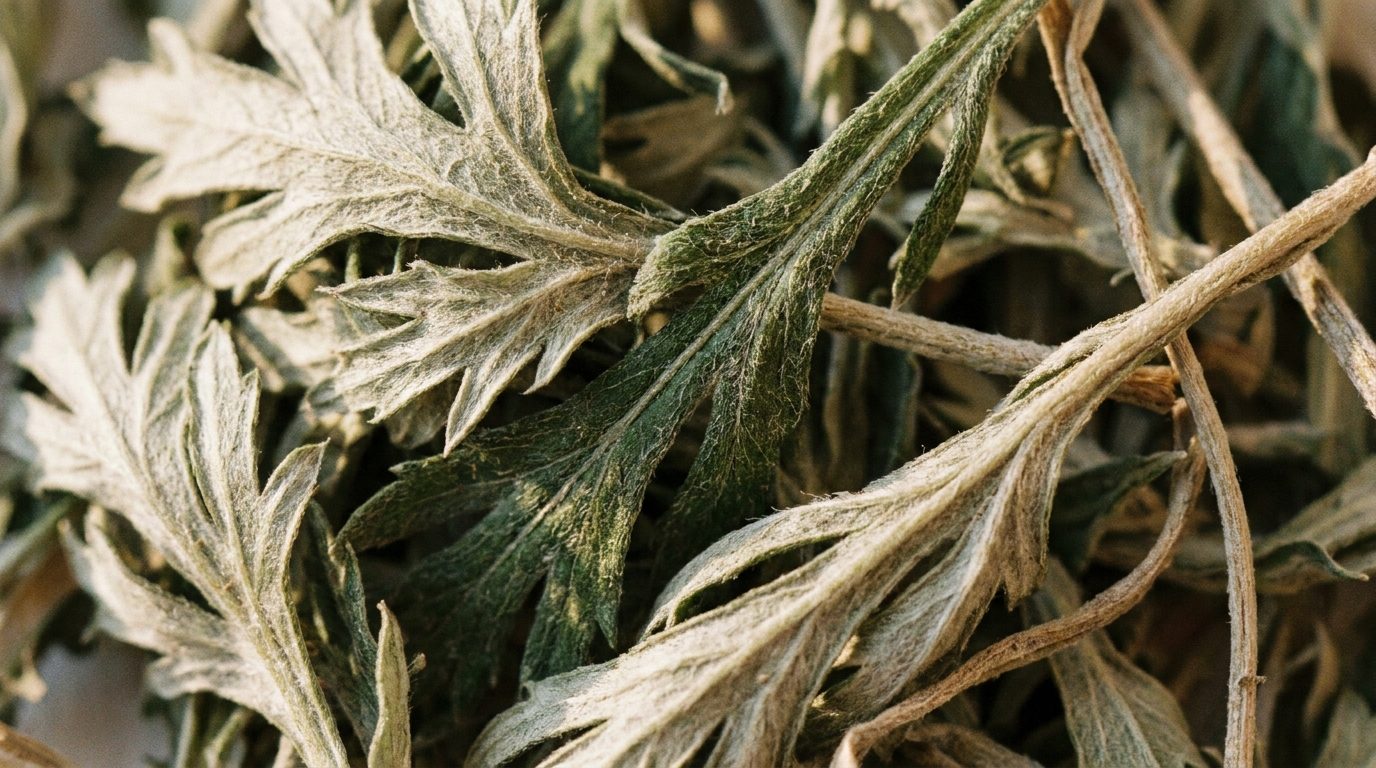
Wormwood. The leaf and flowering top of Artemisia absinthium. Intensely bitter. This is the herb that gives the blend its reputation, and the one that needs the most respect when it comes to amounts and duration.
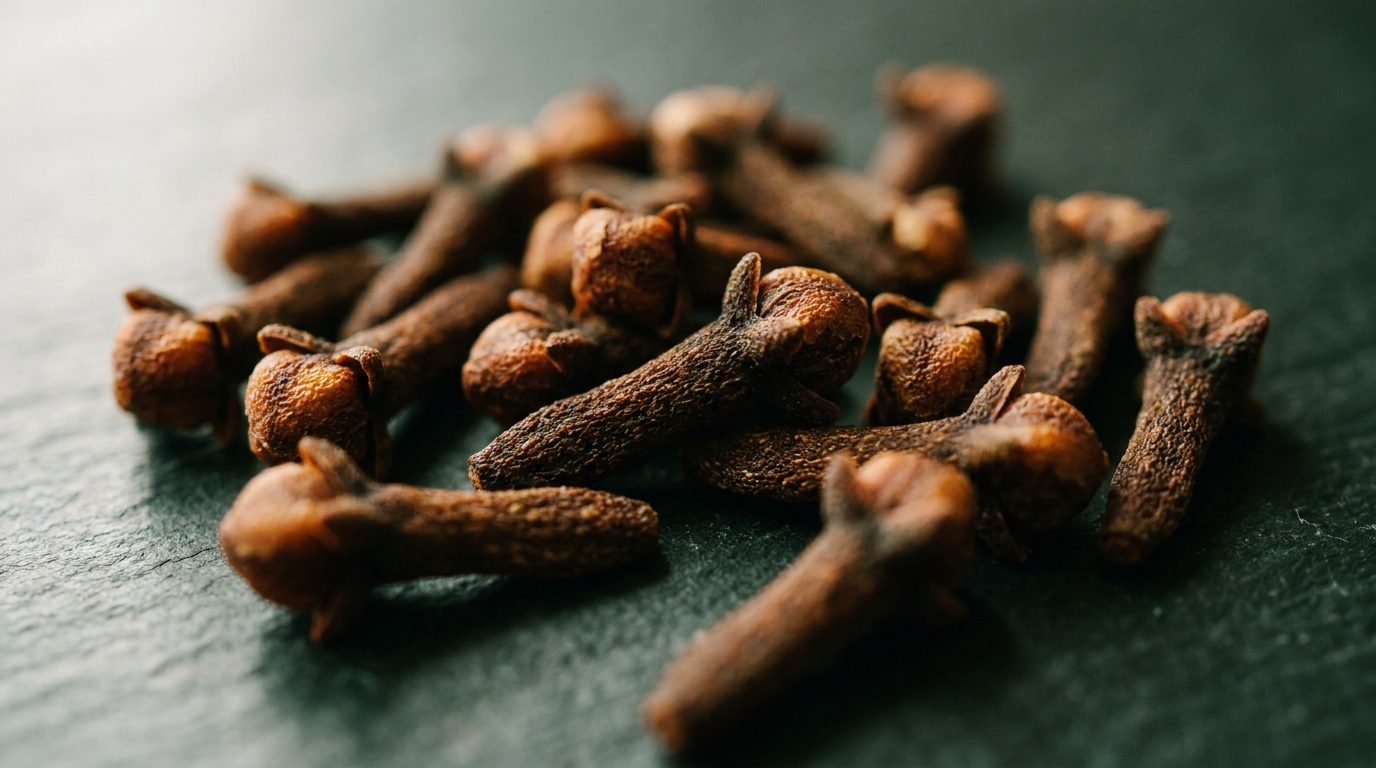
Clove. Whole dried buds, ground fresh where possible. Clove is included because the other two are traditionally understood to address adult-stage organisms while clove addresses eggs. Whether that division is precise is debatable. What isn’t debatable is that clove has been part of the trio for a very long time.
Some households add garlic, cilantro, oregon grape root, or white willow bark. Those are genuine additions to the tradition, but they sit on top of the base rather than replacing it. If you want more on the two doing the heaviest lifting, there’s a fuller breakdown of black walnut and wormwood.
Method One: The Tincture
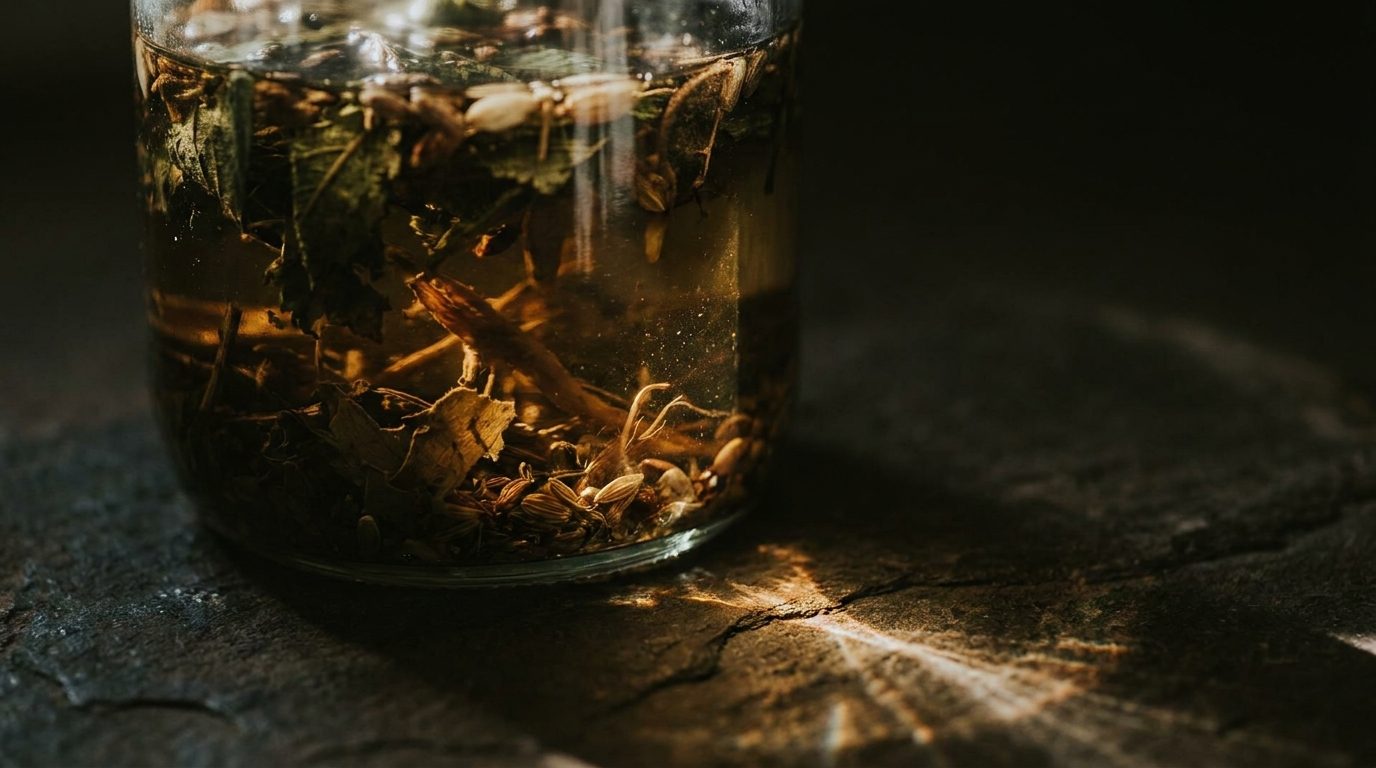
This is the most common form, and the one most families settled on. Alcohol pulls out compounds that water leaves behind, and the result keeps for years instead of days.
What you need: fresh green black walnut hulls, dried wormwood, whole cloves, high proof vodka or grain alcohol, and a clean glass jar with a tight lid.
The traditional proportion is roughly one part herb to five parts alcohol by volume. For a small batch, that’s about half a cup of chopped green hulls, two tablespoons of dried wormwood, and one tablespoon of ground clove, covered with around two and a half cups of alcohol.
Pack the herbs into the jar. Pour the alcohol over until everything is submerged with an inch to spare. Seal it.
Then it sits. Somewhere dark and cool, for four to six weeks, shaken every few days.
Strain it through cloth, press the herbs to get the last of the liquid out, and store the finished tincture in a dark glass bottle.
Worth knowing before you start: the hulls oxidise fast. They go from green to black within hours of being cut, and they will stain everything they touch. That’s normal and it doesn’t ruin the batch. Wear gloves.
Method Two: The Tea
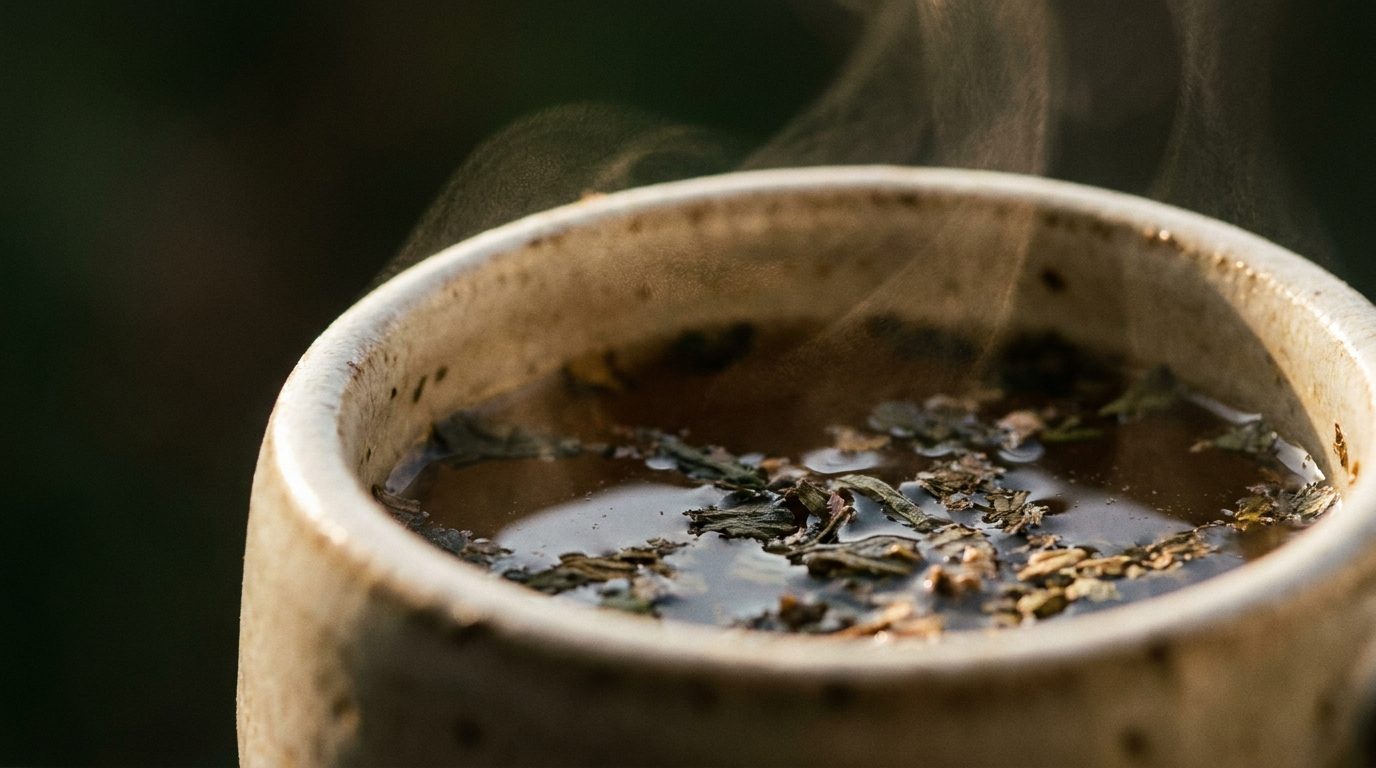
Not everyone wants to wait six weeks, and not everyone wants alcohol. The tea version is the older, simpler approach.
Use about one teaspoon of the dried herb blend per cup of water. Bring the water to just under a boil, pour it over the herbs, cover the cup, and leave it for ten to fifteen minutes.
Covering it matters. A lot of what you want sits in the volatile oils, and those leave with the steam if the cup is open.
Fair warning. It is genuinely unpleasant. Wormwood is one of the most bitter plants people consume on purpose. A little honey or ginger helps, and neither interferes with the herbs.
The trade-off is potency and shelf life. Tea is gentler and has to be made fresh each time. Tincture is stronger and keeps. Neither is wrong.
How Much, and When
This is where people get most anxious, and it’s a reasonable place to be careful.
The traditional pattern is small and frequent rather than large and occasional. For a tincture, that usually means somewhere between ten and thirty drops in a little water, taken two or three times a day. For tea, one cup two or three times a day.
Most versions start low and build. A handful of drops on day one, increasing gradually across the first week. There’s sense in that. It gives you room to notice how your body is responding before you’re at a full amount.
Traditionally it’s taken on an empty stomach, usually before meals.
On duration, the common shape is two to four weeks on, then a break of a week or so, then repeat. The break isn’t optional in most tellings of it. Wormwood in particular is not meant to be taken continuously for months, and the traditional cycling reflects that.
These are the ranges the tradition describes, not a prescription. Bodies differ, and anyone on medication or managing a health condition should talk to a practitioner who knows herbs before starting.
Prefer Not to Measure It Yourself?
A pre-measured protocol takes the guesswork out of dosing and cycling.
See the ParaFy Kit ReviewThe Full Moon Question
You’ll see this everywhere. Time the cleanse to the full moon, because that’s when parasites are most active.
It’s a real part of the folk tradition. Plenty of people who use these herbs do organise around it, and it long predates the internet.
The honest position is that the evidence for it in humans is thin. Some parasites do follow biological rhythms, and lunar cycles influence a range of organisms. But the specific claim that human parasites reliably surge at full moon hasn’t been demonstrated the way people online often state it.
So treat it as optional. If the moon gives you a schedule you’ll actually stick to, that’s a genuine benefit, because consistency is what makes any of this work. Just don’t wait three weeks for the right date if you’re ready now.
The Step Most Recipes Skip
Nearly every version of this recipe stops at the herbs. That’s the gap.
The herbs are only half of it. What they stir up still has to leave your body, and that depends on drainage. Bowels moving daily. Water. Liver and lymph supported. Something to bind what’s been released so it isn’t reabsorbed on the way out.
When people describe a cleanse that made them feel dreadful, this is usually why. Not because the herbs were too strong, but because the exit routes weren’t open. That’s also where a lot of what gets called die-off actually comes from.
If you’re building your own protocol, read up on binders for a parasite cleanse before you start, not after.
This is the honest limitation of the homemade approach. You can make a good tincture in your kitchen. Building the full supporting structure around it takes more planning than a recipe card suggests.
Affiliate disclosure
Human Parasite Cleanse is an independent site. We earn a commission if you buy through the links in this section. It costs you nothing extra and does not change what we recommend.
Drainage Built In, Not Bolted On
The ParaFy system sequences the herbs and the drainage support together, which is the part a homemade recipe leaves you to work out alone.
How the ParaFy System WorksWho Should Leave This One Alone
Wormwood is not for everyone, and being clear about that matters more than being encouraging.
Skip it if you are pregnant or breastfeeding. Skip it if you have a seizure disorder. Be cautious with kidney or liver conditions, and with a known allergy to walnuts or to plants in the daisy family, which includes wormwood.
Children need a different approach entirely, not a smaller pour of an adult preparation.
And if you take prescription medication, check for interactions first. Bitter herbs can affect how some drugs are absorbed.
If You’d Rather Not Make It Yourself
Making your own is satisfying and inexpensive, and if you have access to a black walnut tree there’s a lot to be said for it.
It also has real drawbacks. You can’t verify potency. Green hulls are seasonal and regional. And you’re assembling the drainage side of it yourself with no map.
If you’d rather work from something already structured, with the herbs and the drainage support sequenced together, RogersHood Apothecary is where we’d point you. Same herbal tradition, put together as a protocol rather than a recipe.
Either route works. The one that works best is the one you’ll actually finish.
Curious About Where to Start?
Same herbal tradition, put together as a structured protocol rather than a recipe.
Visit RogersHood ApothecaryThe Bottom Line
The Amish parasite cleanse recipe isn’t a secret formula someone is keeping from you. It’s three bitter herbs, prepared simply, taken in small amounts over several weeks, with the body’s drainage kept open the whole time.
The tradition survived because it’s straightforward and it uses what grows nearby. That’s also why no two written versions agree.
Start low. Go slow. Keep things moving. Take the breaks seriously.
And that’s worth knowing.
Frequently Asked Questions
Can I use dried black walnut hull instead of fresh green ones?
Yes, and most people do, because green hulls are only available for a few weeks a year. Fresh green hulls are traditionally considered stronger, but dried hull powder from a reputable herb supplier works perfectly well. If you’re using dried, you may want to sit at the higher end of the traditional proportions.
How long does homemade tincture keep?
Stored in dark glass somewhere cool, an alcohol tincture will keep for several years. That’s most of the reason the tincture method became the standard. Tea has to be made fresh each time and shouldn’t sit for more than a day.
Do I have to use alcohol?
No. The tea method skips alcohol entirely, and there are glycerine-based preparations that work as an alternative for people avoiding it. Glycerine doesn’t extract quite as broadly as alcohol does, so the result is gentler. If alcohol is a concern for you, the tea version is the more traditional fallback anyway.
Why does it have to be taken so many times a day?
The thinking behind the traditional pattern is coverage rather than force. Small amounts spread through the day keep the herbs present consistently instead of spiking once and dropping off. It’s also gentler on your system than a single large dose, which matters when the herbs are this bitter.
What if I feel worse after starting?
Feeling off in the first week is common and usually points to drainage rather than the herbs themselves. Check the basics first: are your bowels moving daily, are you drinking enough, are you using a binder. If you feel genuinely unwell rather than just flat, stop and reassess. Pushing through is not the goal.
Is there really no official Amish recipe?
There isn’t. No governing body, no single authoritative source, no original document. What exists is a shared folk practice that varied by household and region. Anything presented online as the one true Amish recipe is somebody’s version, which doesn’t make it wrong, just not definitive.
Can I take this alongside other supplements?
Usually yes, though timing helps. Binders in particular should be spaced a couple of hours away from other supplements and medication, because binding isn’t selective and they’ll absorb whatever is in the way. If you take prescription medication, check for interactions before you start rather than after.

