TLDR
A binder is something you take during a parasite cleanse to soak up the toxins and debris that get stirred loose, so your body can carry them out instead of reabsorbing them. The most common binders are activated charcoal, bentonite clay, zeolite, and chlorella.
In this guide, you will learn what binders do, whether you need one, which are considered best, and the timing that makes or breaks how well they work.
Quick Comparison: Which Binder Is Best?
| Binder | Best For | When to Take | Why It Works |
|---|---|---|---|
| Activated Charcoal ★ | Best overall first choice | 1–2 hrs away from food, herbs & meds | Broad-spectrum adsorption, widely available, inexpensive |
| Bentonite Clay | Heavy metals & aflatoxins | Away from all supplements | Negative charge attracts positively charged toxins |
| Zeolite | Gut inflammation, leaky gut | Flexible — closer to meals is fine | Selective binding; gentler on gut lining |
| Chlorella | Heavy metals, mold | With meals is fine | Whole-food binder; adds nutrients rather than depleting |
| Humic / Fulvic Acids | Cellular drainage support | Morning, away from other supplements | Small particle size reaches tissues other binders miss |
★ Starting point recommendation: Activated charcoal is the most practical choice for a first cleanse. If you suspect heavy metals or want deeper cellular drainage support, consider adding chlorella or humic/fulvic acids alongside it.
Somewhere in your cleanse research, a new word probably started popping up. Binder.
People talk about it like you are supposed to already know what it means. Take a binder. Space your binder. Do not forget your binder. Okay, but what is it, and does it actually matter?
The short answer is that binders are one of the most useful and most misunderstood parts of a cleanse. Let’s clear it up.
What Is a Binder, and Why Does It Matter?
A binder is exactly what it sounds like. It binds to things.
When you cleanse, antiparasitic herbs stir up more than just parasites. They release toxins, waste, and debris into your gut. If that material just sits there, some of it can get reabsorbed back into your body. That is part of why people feel rough during a cleanse.
A binder acts like a sponge moving through your digestive tract. It grabs onto that loosened material and helps escort it out through your stool.
Think of it this way. The herbs take out the rubbish. The binder is the bin bag that stops it spilling everywhere on the way out. This is why binders and open drainage pathways go hand in hand.
Do You Actually Need a Binder?
For most people doing a real cleanse, yes, and here’s why it helps.
Without a binder, the toxins your herbs release have two options. Leave the body, or get reabsorbed. A binder tips the odds toward “leave the body,” which usually means a smoother cleanse and gentler die-off.
That said, binders are supportive, not the star of the show. The herbs do the main work. The binder makes that work more comfortable and complete. If you want to see where binders fit in the bigger picture, our guide on how to get rid of parasites in your body lays out the full sequence.
How Binders Actually Work in Your Body
It helps to understand the mechanism, because it explains almost every rule that follows.
Most binders work through something called adsorption. Not absorption, adsorption. The difference matters. Absorption is soaking something up like a sponge. Adsorption is when molecules stick to a surface, like burrs clinging to a jumper.
Activated charcoal is the classic example. Its surface is riddled with microscopic pores, giving a tiny amount of powder an enormous surface area. Toxins passing through your gut stick to that surface and get carried out with the charcoal, rather than crossing back into your bloodstream.
Here is the catch, and it is a big one. That sticky surface is not picky. It will grab helpful things right alongside the harmful ones. Nutrients, minerals, and medications can all get caught in the net.
This single fact is why timing rules exist, why water matters, and why more is not always better. Keep the mechanism in mind and the rest of this guide will make complete sense.
The Best Binders for a Parasite Cleanse

There is no single “best” binder for everyone. Different binders grab different things, which is why many protocols rotate or combine them. Here are the ones you will see most often.
| Binder | Known for | Good to know |
|---|---|---|
| Activated charcoal | Broad, powerful all-rounder | Can bind nutrients and medications too, so timing matters |
| Bentonite clay | Gentle, mineral-rich binding | Drink plenty of water alongside it |
| Zeolite | Often used for heavy metals | Quality and sourcing vary a lot between products |
| Chlorella | Food-based, milder binding | Also a nutrient source, easier to tolerate daily |
| Humic and fulvic | Gentle, whole-spectrum support | Popular for sensitive people |
Notice that “strongest” is not always “best.” Activated charcoal is powerful, but a gentler binder like chlorella may suit a sensitive person better. The best binder is the one your body handles well while still doing the job.
“This cleanse is very gentle. I didn’t start taking the charcoal pills until day 15 because I didn’t think I needed them. I started taking them and today I saw that I passed something over a foot long. No way in hell it’s anything other than a parasite.”
When to Take a Binder (Timing Is Everything)
This is the part people get wrong, and it matters more than which binder you pick.
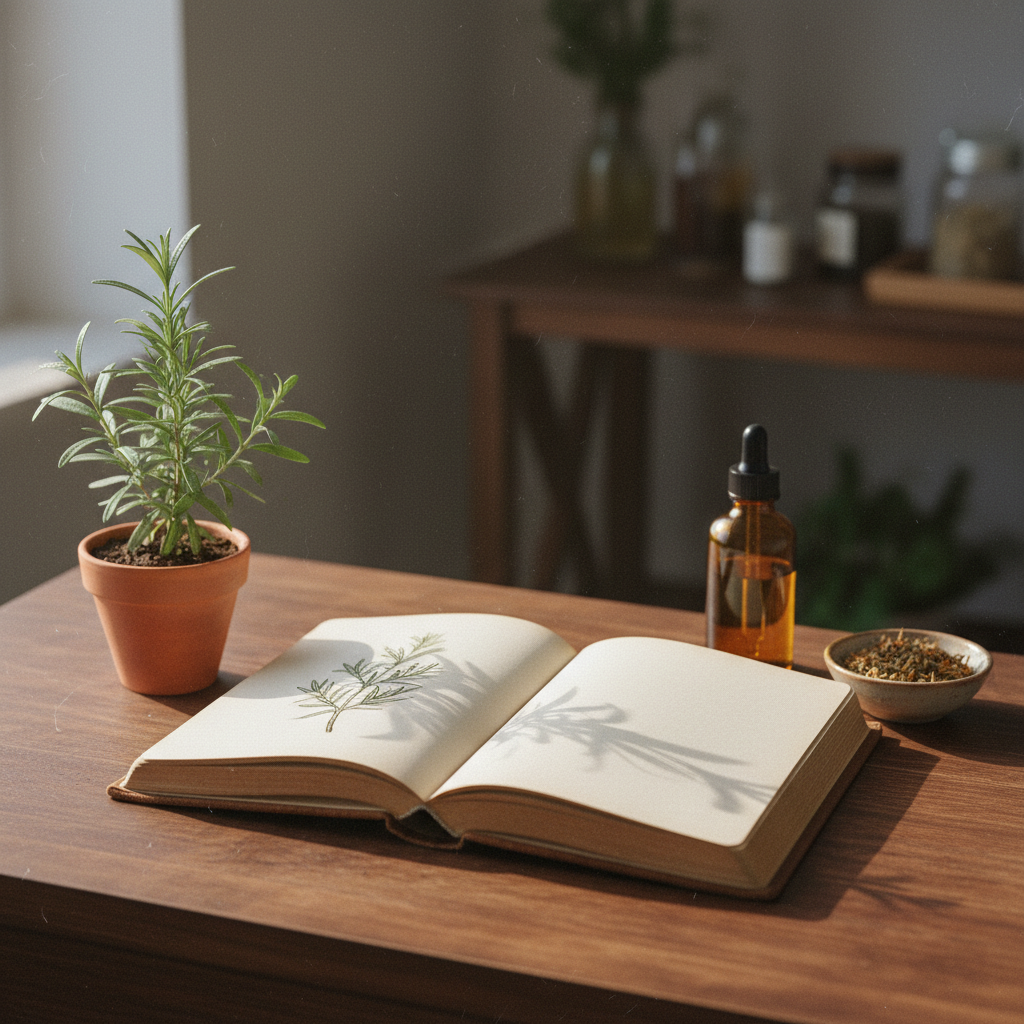
Binders are not fussy about what they grab. A strong binder like charcoal will happily bind your food, your supplements, and your medications right alongside the toxins. That is why spacing is everything.
Simple timing rules
- Away from food. Take binders on a fairly empty stomach so they target toxins, not your dinner.
- Away from medications. Keep binders at least a couple of hours from any prescription, or a binder can reduce how much medicine your body absorbs.
- Away from your herbs and supplements. Space them so the binder does not soak up the very herbs doing the work.
- With plenty of water. Binders need fluid to move through you smoothly and avoid constipation.
A common rhythm is to take your binder between meals and doses, roughly one to two hours apart from everything else. When in doubt, more spacing is safer than less.
To make it concrete, a simple day might look like this. Herbs with breakfast. Binder mid-morning, well away from food. Lunch as normal. Herbs again in the afternoon. Then a binder before bed on an empty stomach, with a big glass of water. You do not have to be rigid about it. You just need enough of a gap between the binder and your food, herbs, and any medications so it targets the right things.
Once you have done this for a few days, it becomes second nature. The spacing stops feeling fiddly and turns into a simple rhythm you barely think about.
Want the Full Sequence?
Binders are one piece of the puzzle. See exactly where they fit in a complete, step-by-step cleanse.
See the ProtocolBinders and Die-Off: The Real Connection

Here is where binders earn their reputation.
Die-off, sometimes called a Herxheimer reaction, is that rough patch during a cleanse. Headaches, fatigue, brain fog, and general blah. A lot of it comes from toxins being released faster than your body can clear them.
This is exactly where a binder helps. By mopping up some of that released material, a binder can take the edge off die-off. Research on activated charcoal shows it adsorbs many compounds in the gut before they are absorbed, which is the same principle at work here.
If die-off is hitting you hard, a binder plus more water, rest, and open drainage is the classic response. For the full picture, see our guide to parasite die-off symptoms.
Common Binder Mistakes
Binders are simple, but a few easy mistakes trip people up. Sidestep these and you are most of the way there.
Watch out for these
- Taking them with everything. A binder next to your food or meds cancels out part of both.
- Not drinking enough water. Too little fluid plus a binder is a recipe for constipation.
- Going too strong, too fast. A powerful binder every hour is not better. It can leave you blocked up and depleted.
- Forgetting the herbs. A binder alone is not a cleanse. It supports the herbs, it does not replace them.
Get the timing and the water right, and a binder becomes one of the easiest wins in your whole cleanse.

Ready for a Complete Kit?
If you would rather have herbs, binders, and drainage support thought through for you, here is a good place to start.
Read the Full GuideFood-Based Binders You Already Eat
Not every binder comes in a capsule. Some of the gentlest support is already in your kitchen, and it works beautifully alongside a supplement binder.
Soluble fibre is the quiet hero here. Foods rich in it form a gel in your gut that helps trap and move waste along. That is binding, just gentler and food-based.
Everyday food-based binders
- Chia and flax seeds. Rich in soluble fibre that gels and helps sweep the gut.
- Psyllium husk. A well-known fibre that adds bulk and keeps things moving.
- Cooked apples and pears (pectin). Pectin is a natural gentle binder.
- Chlorella and spirulina. Food-based options that bind while adding nutrients back.
These are a lovely fit for people who find stronger binders harsh. They also keep your bowels regular, which is half the battle during any cleanse.
Should You Rotate Binders?
You may have seen protocols that switch between binders. Is that necessary, or just clever marketing?
There is a reasonable logic to it. Different binders have different strengths. Charcoal is a broad, powerful grabber. Zeolite is often chosen with heavy metals in mind. Chlorella is gentler and nourishing. Rotating can, in theory, cover more ground than relying on one alone.
But do not overthink it. For most people, one well-chosen binder taken correctly does the job. Rotating is a refinement, not a requirement. If you are just starting out, pick one you tolerate well, get the timing right, and keep it simple.
Complexity is not the same as effectiveness. A simple binder used consistently beats an elaborate rotation you cannot keep up with.
How Long Should You Take a Binder?
Binders are meant to be used during active cleansing, not forever.
The usual approach is to run a binder alongside your herb phase, when there is loosened material to mop up. That might be a few weeks at a time, matched to your cleanse rounds. Once the active phase is done, most people ease off.
Why not just take them all the time? Because that same grabbing power that catches toxins can, over long stretches, also pull out nutrients you want to keep. Binders are a tool for a task, not a daily supplement to take for months on end without thought.
Gentle, food-based binders like chia, flax, and chlorella are more forgiving for regular use. The stronger ones, like charcoal, are best kept to the cleansing window. When in doubt, match your binder to your active phase and give your body a break in between.
Enterosgel vs Activated Charcoal: What Is the Difference?
This comes up often enough to deserve a straight answer, because the two products are frequently presented as interchangeable and they are not. They bind by different rules.
Activated charcoal is broad and blunt. Its enormous porous surface attracts a wide range of molecules and it does not discriminate between die-off debris and the magnesium, vitamin or medication you took an hour ago. That breadth is its strength in an emergency and its main drawback in daily use.
Enterosgel is polymethylsiloxane polyhydrate, a silica-based gel with an unusual profile: its binding capacity increases with the molecular weight of what it encounters. It is a more potent adsorbent than activated carbon for large molecules such as proteins and bacterial endotoxins, and comparatively weak on small ones — roughly speaking, below about 1,500 daltons. It also shows lower capacity for bile acids than charcoal does.
In practice that size preference is the whole point. Most vitamins, minerals and pharmaceutical drug molecules are small, so a binder that prefers large molecules is less likely to strip them out along the way. That is why Enterosgel is often described as the more selective option and considered more suitable for extended use, while charcoal is treated as a shorter, sharper tool.
Neither is universally better. If your concern is bacterial endotoxin and you want to protect nutrient status over several weeks, the selective profile is attractive. If you want maximum broad-spectrum capture over a short, well-spaced course, charcoal has the longer track record. Spacing away from food and medication remains sensible with either.
Pairing a Binder With Specific Protocols
The most common questions here are not really about which binder is best. They are about what to take a binder with, and how far apart.
With clove tea or clove water. The active constituent in clove is eugenol, and a binder taken at the same moment can adsorb it before it does anything useful. Keep the binder well clear — the usual one to two hours — rather than taking them together. The same logic applies to a black walnut and wormwood tincture.
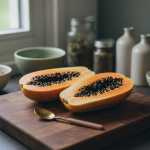
With papaya seeds. Papaya seed is a food-based approach, so it is easy to forget the same rule applies. Treat it as you would any active: binder separately, not in the same smoothie.
With herbal deworming protocols. This is the pairing binders were made for. The herbs do the work, the binder catches what is released. Most protocols place the binder between herb doses, or at night, so the two never overlap. Our comparison of deworming options covers where each approach fits.
With prescription antiparasitic medication. Be careful here, and be specific. A binder reduces the absorption of whatever is in the gut alongside it, and that includes prescribed medicine — which means poor spacing can quietly reduce the dose you actually receive. There is no binder that is “safe to take with” a prescription in the sense of being neutral. If you have been prescribed an antiparasitic, the timing question belongs with the prescriber who wrote it, not with a supplement label.
Want the detail on individual binders? Each has its own entry: activated charcoal, bentonite clay and zeolite — and for the herbs they are usually paired with, black walnut hull, wormwood and clove.
Prefer the Binder Already Built In?
Cinnabin, the binder component of the RogersHood ParaFy Kit, pairs coconut-derived activated charcoal with Ceylon cinnamon and is dosed to sit around the herb schedule rather than across it.
See What Is in the KitBinders Beyond Parasites
Here is something worth knowing. Binders are not just a parasite thing.
The same principle shows up across all kinds of cleansing. When you are working on mold exposure, heavy metals, or general toxic load, binders play the same supporting role. They catch what gets released and help carry it out.
This is part of why binders come up so often in natural health circles. They are a general-purpose helper for any process that stirs up more than the body can clear on its own. Parasites, mold, and everyday toxins all overlap and compound, and binders support the clean-up in each case.
The takeaway is simple. Learning to use a binder well is a skill that serves you far beyond a single parasite cleanse. It is a core part of supporting your body through any kind of detox.
Quality and Sourcing Really Matter
Here is one place where cutting corners genuinely backfires. With binders, what you buy matters as much as how you use it.
Because these products physically bind and carry material through your body, purity is not optional. A poorly sourced clay or zeolite can carry the very contaminants you are trying to avoid. That defeats the whole purpose.
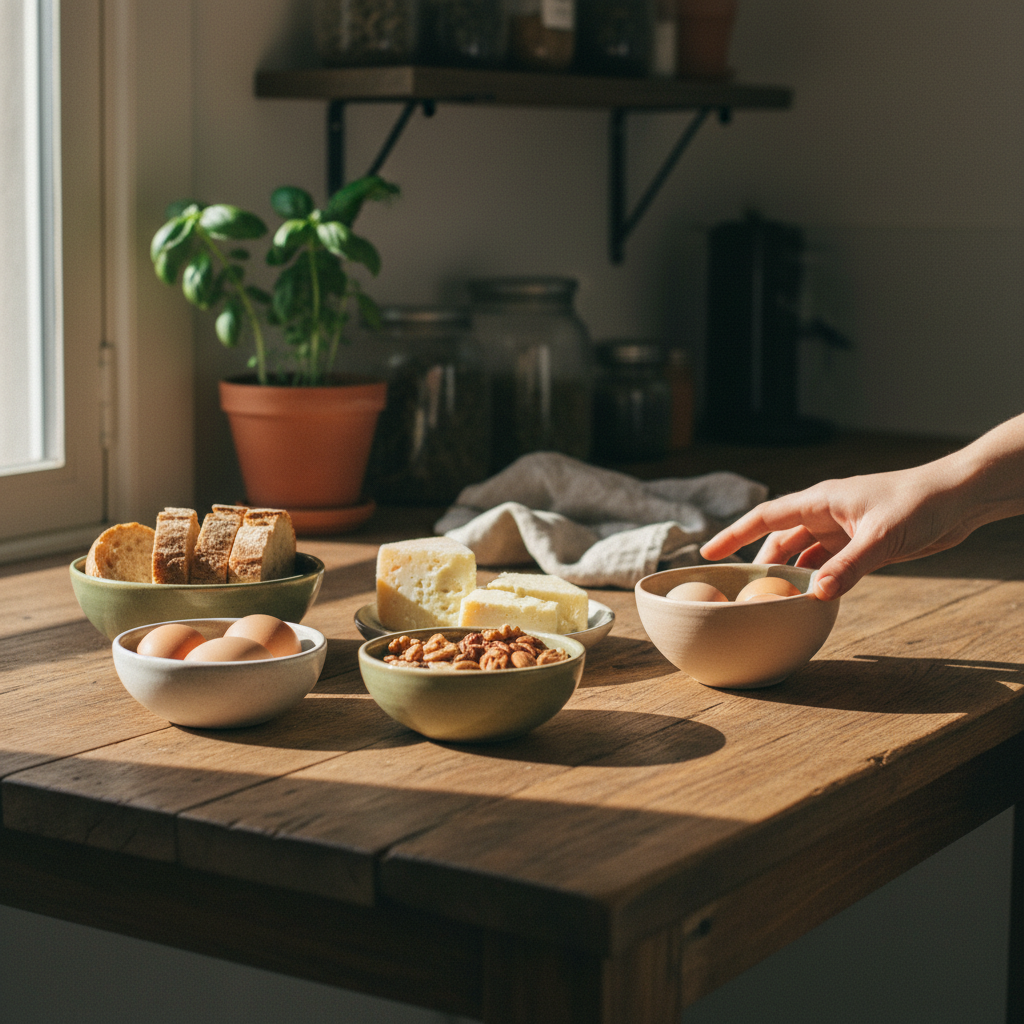
So look for a few green flags. Clear sourcing and testing for contaminants. A transparent company that tells you what is actually in the product. Activated charcoal made from coconut shell rather than vague, unnamed sources. Simple, clean ingredient lists without unnecessary fillers.
You do not need the most expensive product on the shelf. You do need one you can trust to be clean. When something is going to sweep through your gut collecting toxins, quality is not the place to save a few pounds.
The Bottom Line
A binder is the quiet workhorse of a good parasite cleanse. It does not get the glory, but it keeps the whole process cleaner and more comfortable.
Pick a binder your body tolerates, space it away from food, herbs, and medications, and drink plenty of water. Do that, and you have covered the fundamentals.
Do not let the sheer number of options paralyse you either. Charcoal, clay, zeolite, chlorella, fibre. They all follow the same simple idea of catching what the herbs release and carrying it out. Start with one you trust, learn how your body responds, and adjust from there. A binder you actually use correctly beats the perfect binder you overthink and abandon.
Simple support, done consistently, is what makes a cleanse work. And that is worth knowing.
Frequently Asked Questions
What is a binder for a parasite cleanse?
A binder is a substance you take during a cleanse to grab onto toxins and debris released by the herbs, so your body carries them out instead of reabsorbing them. Common binders include activated charcoal, bentonite clay, zeolite, and chlorella. Think of it as the bin bag that carries out what the herbs stir up.
Do I need a binder for a parasite cleanse?
For most people, a binder makes a cleanse smoother and eases die-off by reducing how much loosened material gets reabsorbed. It is supportive rather than essential, but many find the cleanse far more comfortable with one. The herbs still do the main work.
When should I take a binder during a cleanse?
Take binders away from food, herbs, supplements, and especially medications, usually one to two hours apart from everything else. This stops the binder from soaking up your meals, your herbs, or your medicine. Always take them with plenty of water.
What is the best binder for a parasite cleanse?
There is no single best one. Activated charcoal is a powerful all-rounder, bentonite clay is gentle and mineral-rich, chlorella is food-based and easy to tolerate, and zeolite is often used for heavy metals. The best binder is the one your body handles well while still doing the job, and many protocols rotate a couple.
Can you take too much binder?
Yes. Overdoing binders, especially without enough water, is a common cause of constipation and can pull out nutrients you actually want to keep. More is not better. Stick to sensible amounts, hydrate well, and space them properly.
Do binders cause constipation?
They can if you do not drink enough water, since binders absorb fluid as they move through you. Plenty of water, enough fibre, and not overdoing the dose usually keeps things moving. If constipation sets up, ease off the binder and increase your fluids.
Can I just take a binder instead of herbs?
No. A binder supports a cleanse, it does not replace one. The antiparasitic herbs do the actual work of targeting parasites. The binder simply helps carry out what those herbs release, which is why the two are used together.