What Is Clove?
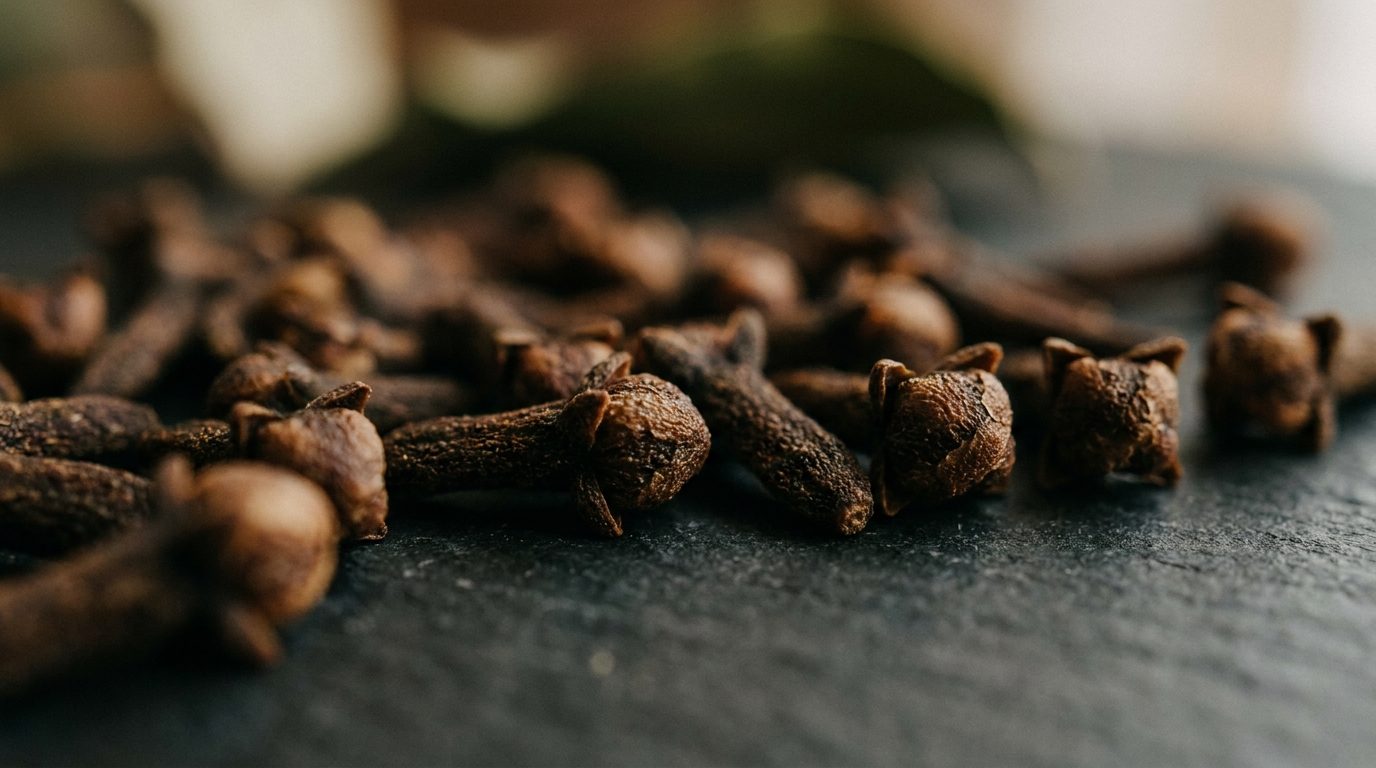
Clove (Syzygium aromaticum) is the dried flower bud of the clove tree, used as a spice and as a traditional antimicrobial and antiparasitic herb. Its main active compound is eugenol.
Classification: Other › Clove
Key Takeaway
Clove is a core ingredient in traditional parasite cleanse formulas, paired with wormwood and black walnut hull. It is generally safe as a culinary spice and in short herbal courses.
Why This Matters
Clove has been used for centuries in cooking, dental care, and herbal medicine. Eugenol, its main active compound, has antimicrobial, antifungal, and anesthetic properties that have been studied in modern research. In parasite cleanse protocols, clove is typically included because traditional herbalists consider it most effective against parasite eggs, whereas other herbs target adult worms or larvae. Clove oil is much more concentrated than dried clove and should be used carefully.
How Clove Relates to Parasites and Cleansing
Clove is the third herb in the trio of black walnut, wormwood and clove, and it carries the most specific job of the three. In the traditional framework, black walnut hull addresses adult organisms and wormwood addresses larval stages, while clove is the one aimed at eggs.
That is the entire reason the three are taken together, and the reason a cleanse is run for weeks rather than days. Addressing adults while leaving eggs untouched simply allows the cycle to restart. Whether you are following the Amish cleanse or a prepared protocol like the ParaFy Kit, that lifecycle logic is what the structure is built around.
The Active Compound
Clove’s activity is attributed largely to eugenol, which makes up something like 70 to 90 per cent of clove essential oil. It is also what gives clove its warm, numbing character — the same property behind its long use in dentistry.
Laboratory work describes eugenol disrupting cell membranes, increasing membrane permeability and causing intracellular contents to leak — a fairly blunt physical mode of action rather than a targeted biochemical one.
What the Evidence Actually Shows
There is real laboratory support for the egg-stage idea. Eugenol has been shown to inhibit egg hatching in tick research, with very high activity at the concentrations tested. Separately, eugenol has been reported to affect the morphology and growth of parasites including Trypanosoma cruzi, Giardia lamblia, Leishmania donovani and Trichinella spiralis.
Here is the qualifier that matters, and it is one most articles on this subject leave out: that ovicidal research base comes overwhelmingly from entomology and veterinary parasitology. Studies testing clove or eugenol against the eggs of the common human intestinal parasites — Ascaris, pinworm, hookworm — are essentially absent. The mechanism is plausible and the tradition is long-standing, but the specific human claim has not been tested directly.
Why Freshness Matters More Than With Other Herbs
Eugenol is a volatile oil, and volatile means exactly what it sounds like — it dissipates. Pre-ground clove that has been sitting in a jar has lost a meaningful share of what makes it useful here.
This is why traditional preparations call for whole buds ground immediately before use, and why the difference between fresh and stale clove is more consequential in a cleanse than in cooking. The traditional recipe treats it as a step rather than a detail.
Clove is well tolerated as a culinary spice. Concentrated clove oil is a different matter and is not intended to be taken neat. As with the rest of the trio, it is normally used in defined courses, and it is worth discussing with a practitioner if you are pregnant, breastfeeding, taking anticoagulants or preparing for surgery.
Affiliate disclosure
If you would like a structured next step
Human Parasite Cleanse is an independent site. We earn a commission on purchases made through the links below, including when the discount code is used. That costs you nothing extra and does not change what we recommend. The RogersHood ParaFy Kit is a 30-day herbal parasite cleanse protocol that follows a layered, drainage-first approach. Readers who want a concrete place to start can see our full ParaFy Kit review or use code JOSH10 for 10% off. Consult a qualified healthcare provider for diagnostic questions and treatment of specific conditions.
Affiliate disclosure: humanparasitecleanse.com may earn a commission if you purchase through this link, at no additional cost to you. We only recommend products that align with the educational framework on this site.
Frequently Asked Questions
What is clove used for?
Culinary spice, dental pain relief through eugenol, and a traditional ingredient in antiparasitic herbal formulas targeting parasite eggs.
Is clove safe?
Yes, as a spice and in typical herbal doses. Concentrated clove oil should be diluted before topical or internal use, and high doses can irritate the digestive system.
How does clove fit into a parasite cleanse?
It is usually included alongside wormwood and black walnut hull, with each herb intended to address a different life stage of the parasite.
Related reading: Black Walnut, Wormwood and Clove, Wormwood, Black Walnut Hull.
