TLDR
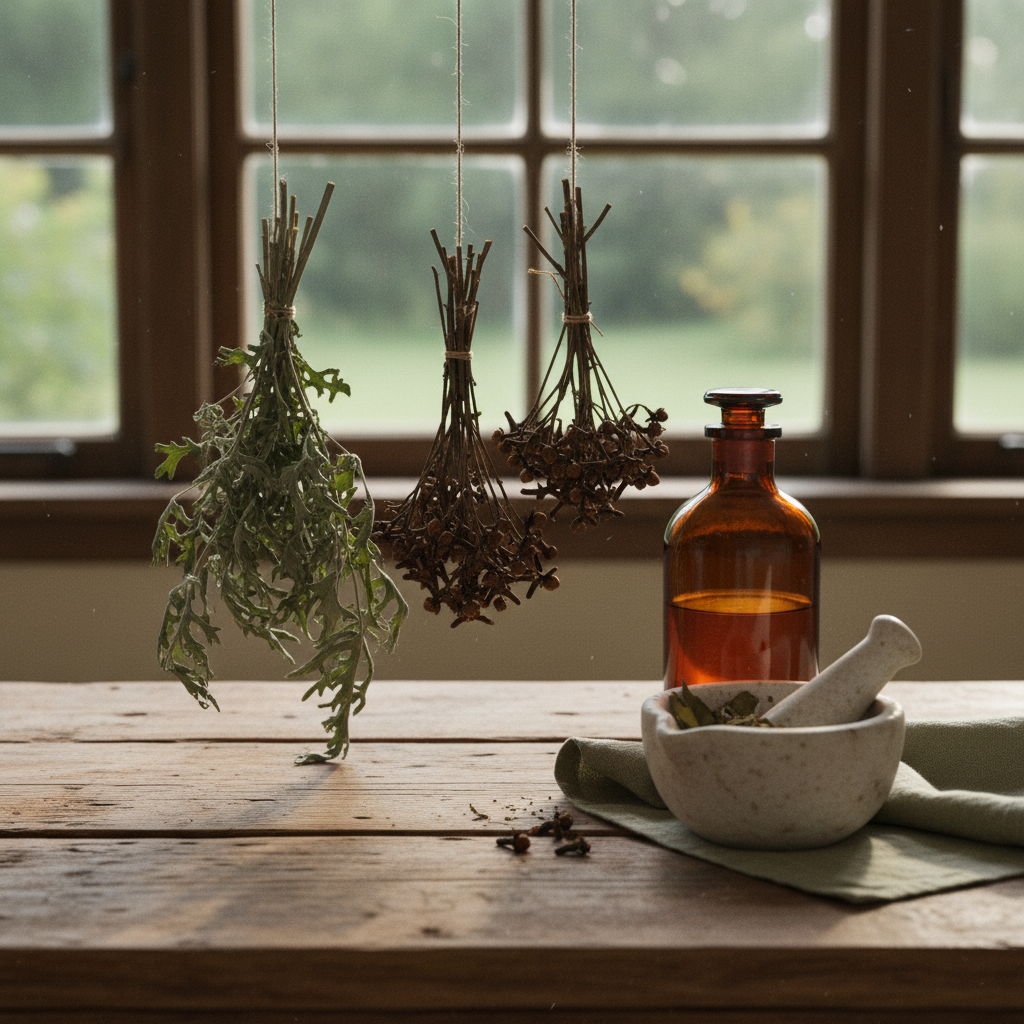
The Amish parasite cleanse is a traditional folk remedy built around bitter, plant-based herbs, most often black walnut hull, wormwood, and clove, taken as a tincture or tea over several weeks. It is not a single official recipe. It is a loose tradition of using antiparasitic herbs the way rural communities have for generations.
In this post, you will learn what the cleanse actually is, what goes into it, how it works, whether it is safe, and what the evidence really says.
Maybe it showed up in your feed. A grainy video, a jar of dark tincture, and a claim that the Amish have quietly been doing this for generations.
The “Amish parasite cleanse” has become one of those phrases people search after seeing it online and wondering if there is something to it. Is it a real tradition? Is it a marketing label? And does it actually do anything?
The short answer is that it is a bit of all three. So let’s clear it up, calmly and without the hype.
What Is the Amish Parasite Cleanse?
It is not one fixed formula. The tradition is really about using simple, bitter herbs to support the body in clearing parasites, an approach passed down through rural and plain communities that leaned on home remedies long before pharmacies were on every corner.
Plain communities like the Amish have always kept a practical relationship with herbal medicine. When you live close to the land, raise animals, and grow your own food, worms and parasites are a normal part of life. Not a scandal. A season-to-season reality you manage.
So the “cleanse” is really a folk approach. Take bitter antiparasitic herbs consistently for a stretch of time. Support digestion and elimination. Repeat when needed.
Here’s the thing worth knowing. Most products sold today under the “Amish parasite cleanse” name are modern herbal blends borrowing the label because it signals something old, trusted, and natural. The tradition is real. The branding around it is newer.
Looking for the recipe itself? This page covers what the Amish parasite cleanse is, whether the evidence supports it and who should avoid it. If you want proportions, the tincture and tea methods and the timing, that is a separate guide: how the Amish parasite cleanse is actually made.
What’s Actually Inside an Amish Parasite Cleanse
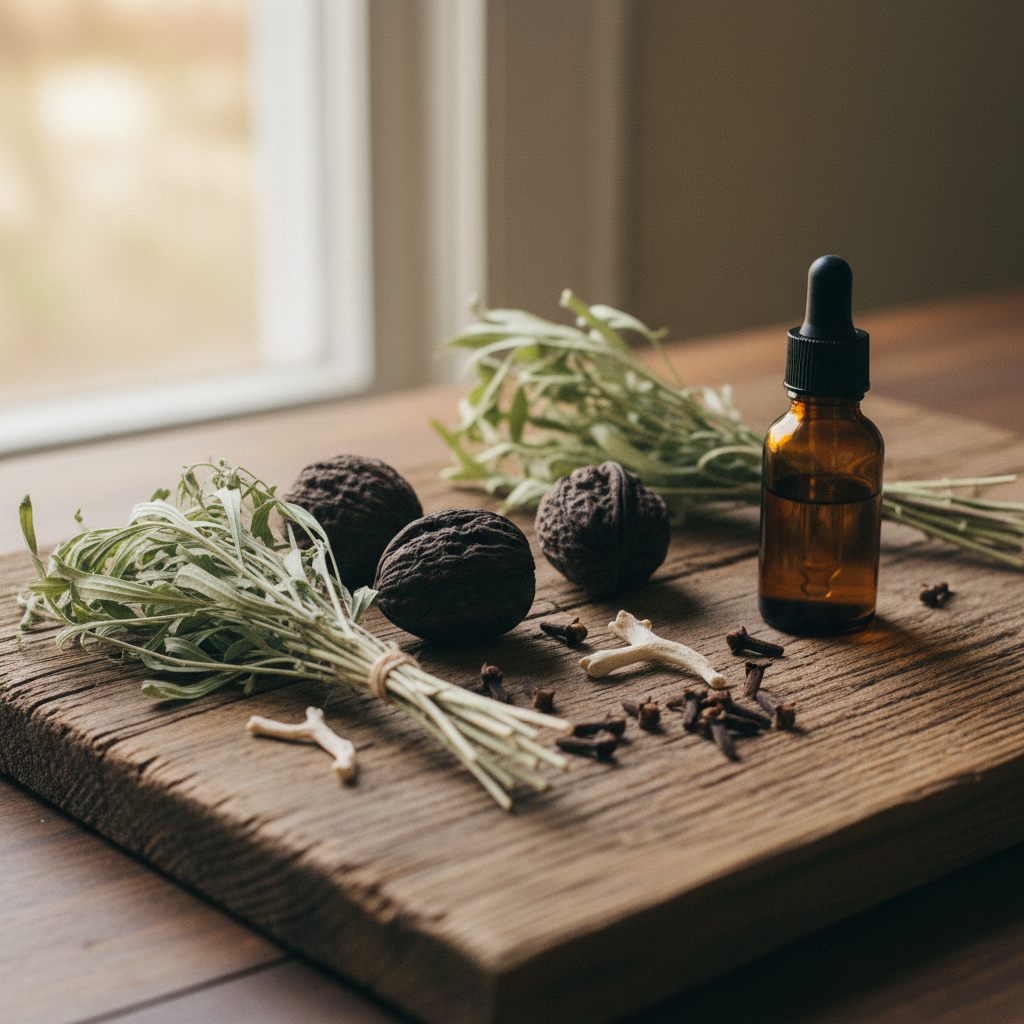
Recipes vary from family to family and seller to seller. But almost every version leans on the same core group of bitter, aromatic herbs.
The core three
- Black walnut hull. The green outer hull of the black walnut, dried and tinctured. One of the oldest folk remedies for intestinal worms.
- Wormwood. A famously bitter herb whose name gives away its traditional job. Studied for its anthelmintic, or worm-expelling, properties.
- Clove. Warm, sharp, and aromatic. Traditionally included to target eggs while the other two herbs work on the adult stages.
Wormwood has even been studied for its anthelmintic properties in animal research, though human evidence is still limited. If you want to go deeper on the two headline herbs, we have a full guide on black walnut and wormwood and why they are so often paired together.
The Core Herbs at a Glance

Here is how the three main herbs are traditionally thought to fit together. Each one is believed to cover a different part of the parasite life cycle, which is part of why they are used as a trio rather than alone.
| Herb | Traditionally targets | Why it is included |
|---|---|---|
| Black walnut hull | Adult worms | Long-standing folk remedy for intestinal worms |
| Wormwood | Adult worms and larvae | Bitter compounds studied for worm-expelling activity |
| Clove | Eggs | Aromatic spice paired to cover the stage the others miss |
The logic is simple. Adults, larvae, and eggs are not all vulnerable at the same moment. Covering all three stages is the thinking behind the classic combination.
Beyond the Trio: Other Amish Folk Ingredients
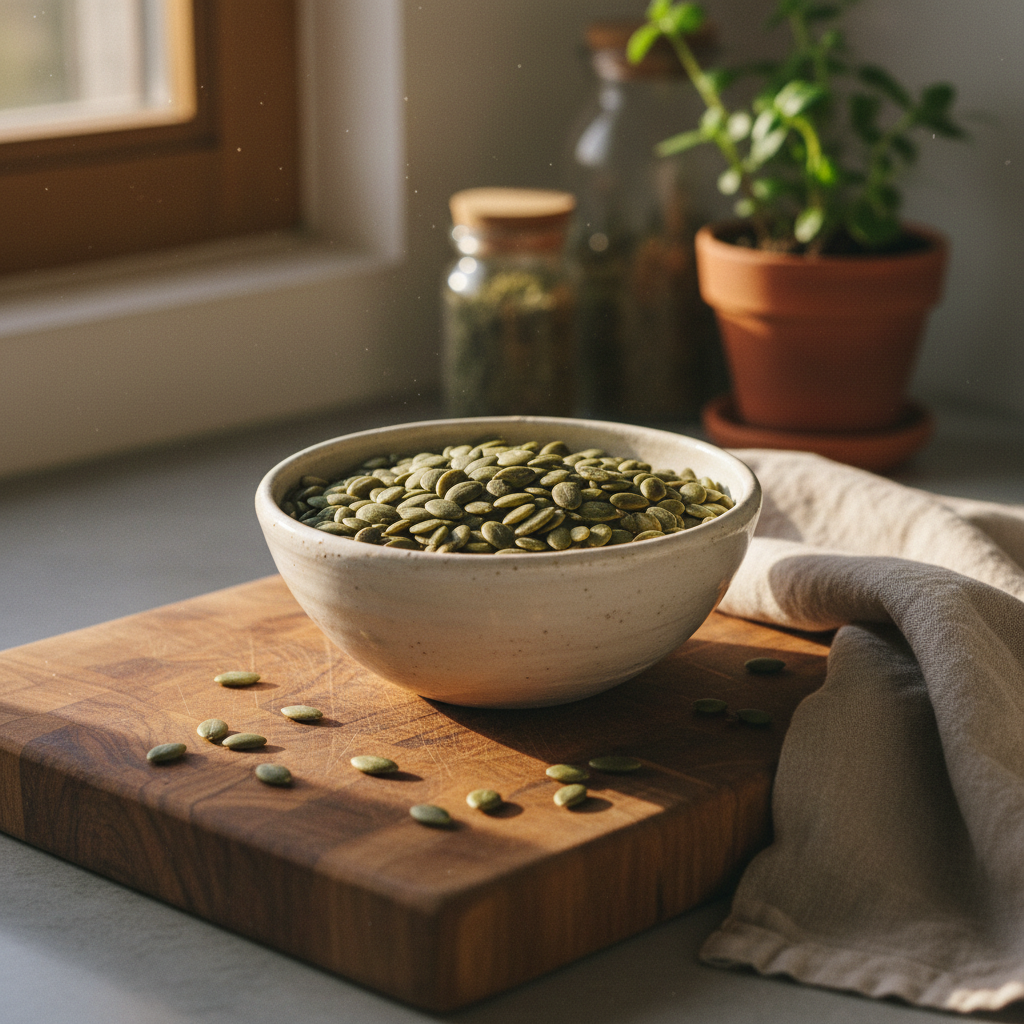
Beyond the core three, traditional recipes often fold in kitchen ingredients that plain communities already had on hand. Food and medicine were never really separate.
Common add-ins
- Garlic. Crushed raw garlic is one of the most common folk antiparasitics in the world, valued for its sharp, pungent compounds.
- Pumpkin seeds. Traditionally chewed or ground and taken on an empty stomach, with a long reputation for helping the body move worms along.
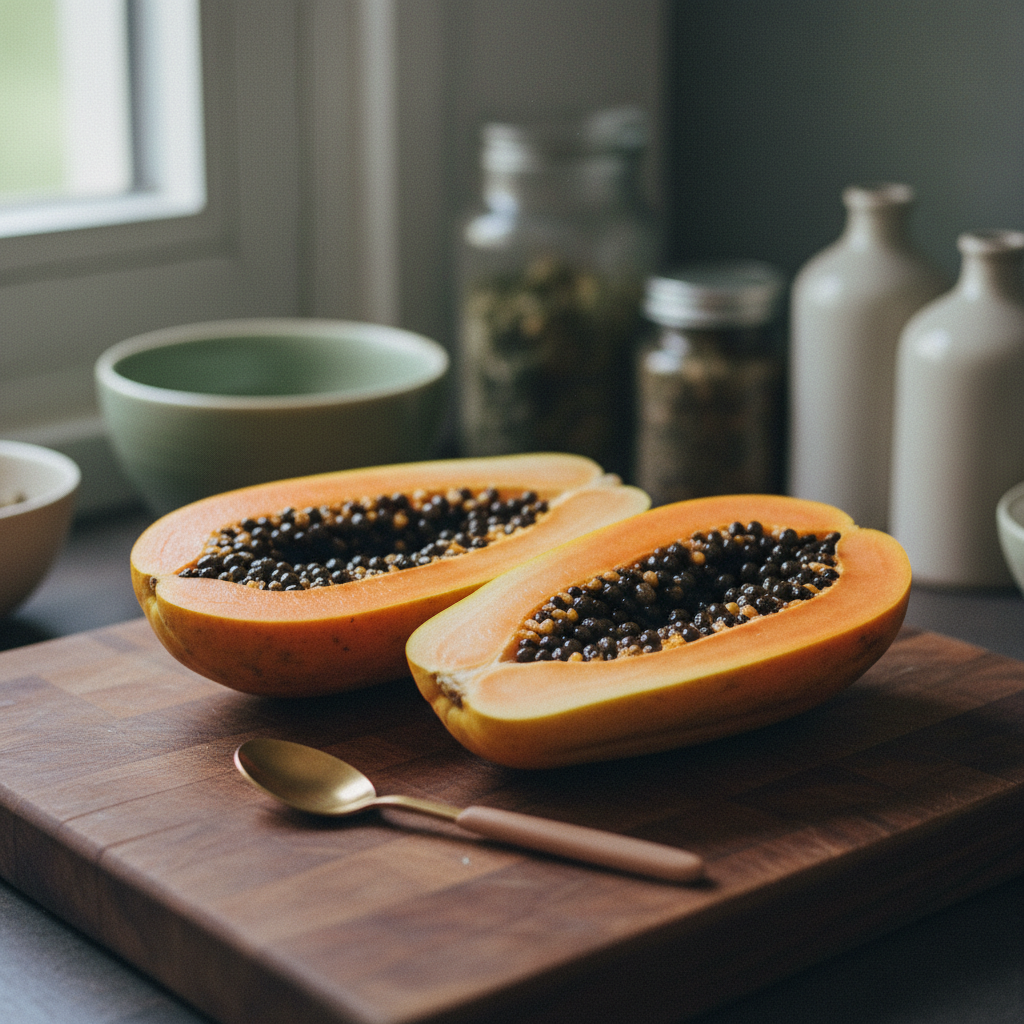
- Papaya seeds and other bitter foods. Added depending on what was available and what the family trusted.
None of this is exotic. It is the same handful of plants that show up across many cultures. If you are curious about the edible side of this, our guide to foods that are traditionally used to fight parasites covers them in more detail.
The point is simple. This is a herbal and food-based approach, not a pharmaceutical one.
How the Amish Parasite Cleanse Is Meant to Work
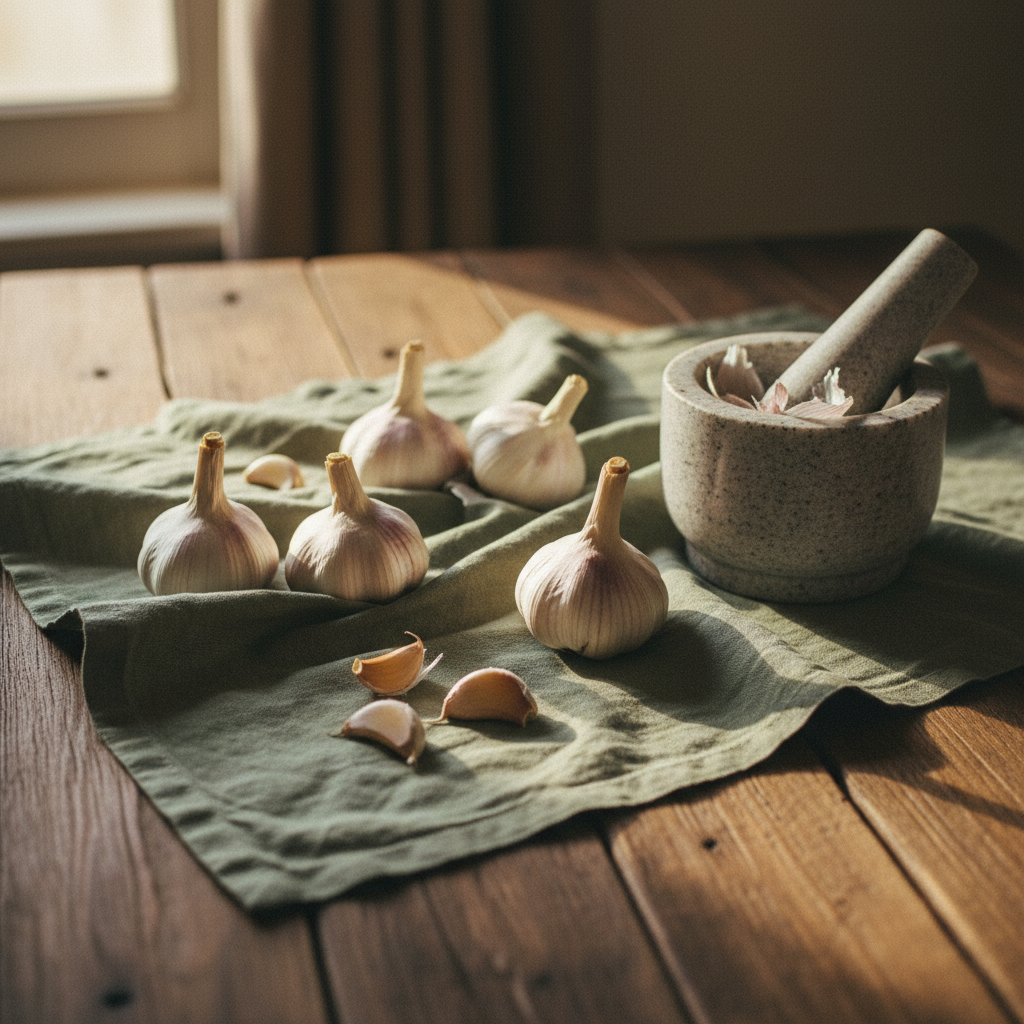
Traditionally, the herbs are taken as a tincture, a tea, or a capsule, usually a few times a day, for a set stretch of time. Two to six weeks is common.
Bitter compounds stimulate digestion. They get bile moving, encourage the gut to keep things flowing, and create an internal environment that parasites tend not to love. Think of it this way. Parasites prefer a sluggish, sweet, comfortable gut. Bitter herbs make the terrain less welcoming.
There is one more piece that traditional wisdom understood, even without the modern vocabulary. Your body needs a way to get rid of what the herbs stir up. These days we call them drainage pathways. Your bowels, your liver, your kidneys, your sweat. The three P’s, as we like to put it. Peeing, pooping, perspiring.
If those pathways are backed up, cleansing can make you feel rough. That uncomfortable stretch has a name. You can read more about parasite die-off symptoms and why they happen, so nothing catches you off guard.
New to All This?
If the basics feel fuzzy, start with the fundamentals of how a cleanse actually works.
What Is a Parasite Cleanse?What to Expect Week by Week
Everybody responds differently, so treat this as a rough map rather than a rulebook. Parasites have life cycles, and that timing shapes how a cleanse tends to unfold.
| Phase | What is happening | What you might notice |
|---|---|---|
| Week 1 | Herbs get to work, the body starts moving things along | A little off, or nothing much. Both are normal |
| Weeks 2 to 3 | Consistency starts to pay off | Changes in digestion, energy, or how you feel day to day |
| Week 4 and beyond | Eggs can hatch, so many protocols continue or repeat | The stage impatient people skip, and often the one that matters most |
Worth noting. The goal is not to feel dramatic. Gentle and steady usually beats harsh and fast. If a protocol is wiping you out, that is a sign your drainage needs more support, not that it is working better.
“This has been a journey. Following this protocol has been easy and super effective. It’s gentle on the tummy. Not gonna lie, it’s really satisfying to see what my body is disposing of. I’ve just started my 4th round. I have had a lifetime of issues.”
Does the Amish Parasite Cleanse Actually Work?
Here is where honesty matters more than hype.
The individual herbs do have a real basis. Wormwood, black walnut, clove, garlic, and pumpkin seed all have long traditional use against parasites, and several have been studied for antiparasitic activity in laboratory and animal settings.
But research is still catching up. A lot of the strongest evidence comes from test tubes and animals, not large human trials. In some studies, herbs that looked powerful in a lab were less dramatic inside a living body. So the tradition is worth respecting, and the herbs are worth understanding, but you should be cautious of anyone promising guaranteed results or an overnight fix.
The people who tend to see the most from any cleanse, Amish-style or modern, are the ones who go in with realistic expectations. They open their drainage pathways first. They stay consistent. They treat it as support for the body, not a miracle.
Prefer a Clear, Step-by-Step Plan?
A folk recipe leaves a lot to guesswork. Here is what a structured, well-supported cleanse looks like from start to finish.
See the Full ProtocolWhy This Old Remedy Went Viral
You might be wondering why a quiet folk remedy suddenly became a trending search.
Part of it is timing. More people are asking honest questions about gut health, chronic symptoms, and what their bodies are actually carrying. Parasites used to be a taboo topic. That is finally starting to shift.
Part of it is the story. The word “Amish” signals something wholesome and time-tested. In a world of complicated supplements, a simple remedy passed down through generations feels trustworthy and refreshingly low-tech. And part of it is social media doing what social media does. A satisfying before-and-after, a jar of dark tincture, a confident voice, and suddenly a centuries-old idea is everywhere.
None of that makes the tradition fake. But it is a good reminder to separate the genuine herbal wisdom from the viral packaging around it.
Is the Amish Parasite Cleanse Safe?
For most healthy adults, the herbs in a traditional cleanse are generally well tolerated when used sensibly and for a limited time. But natural does not automatically mean risk-free, and a few points are worth knowing.
Before you start, keep in mind
- Wormwood is potent. It contains a compound called thujone, which is fine in small, short-term herbal amounts but not something to take in huge doses or for months on end.
- Some people should be extra careful. If you are pregnant or breastfeeding, have a medical condition, or take prescription medication, talk to a healthcare provider first.
- Children are not just small adults. A cleanse designed for a grown body is not automatically appropriate for a child. Gentler, guided approaches exist for a reason.
- Quality matters. Because “Amish parasite cleanse” is a label, not a regulated product, what is actually in the bottle varies enormously.
None of this is a reason to be scared. It is a reason to be informed. Awareness, not fear, is where good decisions start.
A Thoughtful Way to Approach It
If the Amish cleanse caught your attention, that curiosity is worth something. It usually means you are paying attention to your body, and that is exactly where good health decisions begin.
The tradition gets a few things genuinely right. Bitter herbs have real history behind them. Consistency beats intensity. And your body needs open pathways to actually clear anything out. Where the folk approach falls short is structure. A jar of mystery tincture with no dosing guidance and no drainage support is a lot to figure out on your own.

Curious About Where to Start?
If you would rather follow a complete, well-supported protocol than guess at a folk recipe, here is a good place to begin.
Read the Full GuideThe Bottom Line
The Amish parasite cleanse is a real folk tradition wrapped in modern branding. At its heart are simple bitter herbs that communities have trusted for generations, taken consistently and paired with common sense.
It is not a miracle, and it is not a scam. It is one of many ways people have supported their bodies against a very normal, very human thing.
Approach it with realistic expectations, respect the herbs, open your pathways, and stay consistent. This is not about panic. It is about understanding. And that is worth knowing.
Frequently Asked Questions
What is in an Amish parasite cleanse?
Most versions are built around three bitter herbs: black walnut hull, wormwood, and clove. Many recipes also add garlic, pumpkin seeds, and other bitter foods. If you want the actual preparation detail, this is how the Amish parasite cleanse recipe is made, including proportions and timing. There is no single official formula, so ingredients vary from one family or seller to the next.
Is there an official Amish parasite cleanse recipe?
Not really. It is a tradition, not a trademarked product. The recipes floating around online are modern interpretations of an old folk approach. Most center on the same core herbs, but the exact amounts and extras differ.
Does the Amish parasite cleanse actually work?
The herbs involved have long traditional use and some laboratory support for antiparasitic activity. That said, strong human trials are limited, so be cautious of anyone promising guaranteed results. People tend to see the most when they open their drainage pathways first and stay consistent over several weeks.
Is the Amish parasite cleanse safe?
For most healthy adults, these herbs are generally well tolerated when used sensibly and short term. Wormwood is potent and should not be taken in large doses or for long stretches. If you are pregnant, breastfeeding, on medication, or managing a health condition, check with a healthcare provider before starting.
How long does an Amish parasite cleanse take?
Traditional approaches usually run somewhere between two and six weeks. The reason is simple. Parasites have life cycles, and eggs that survive the first stretch can hatch later. Consistency over time is what matters, not a single dose.
Where can you buy an Amish parasite cleanse?
You will find many products online using the Amish label, but quality varies widely because the name is not regulated. If you want something with clear dosing and proper drainage support, a structured herbal cleanse from a transparent maker is usually a safer bet than a mystery blend.
Can children do an Amish parasite cleanse?
A cleanse designed for an adult body is not automatically right for a child. Some herbs, wormwood in particular, are too potent for young children in standard doses. Gentler, age-appropriate approaches exist, and this is a good moment to involve a trusted healthcare provider.