What Is Activated Charcoal?
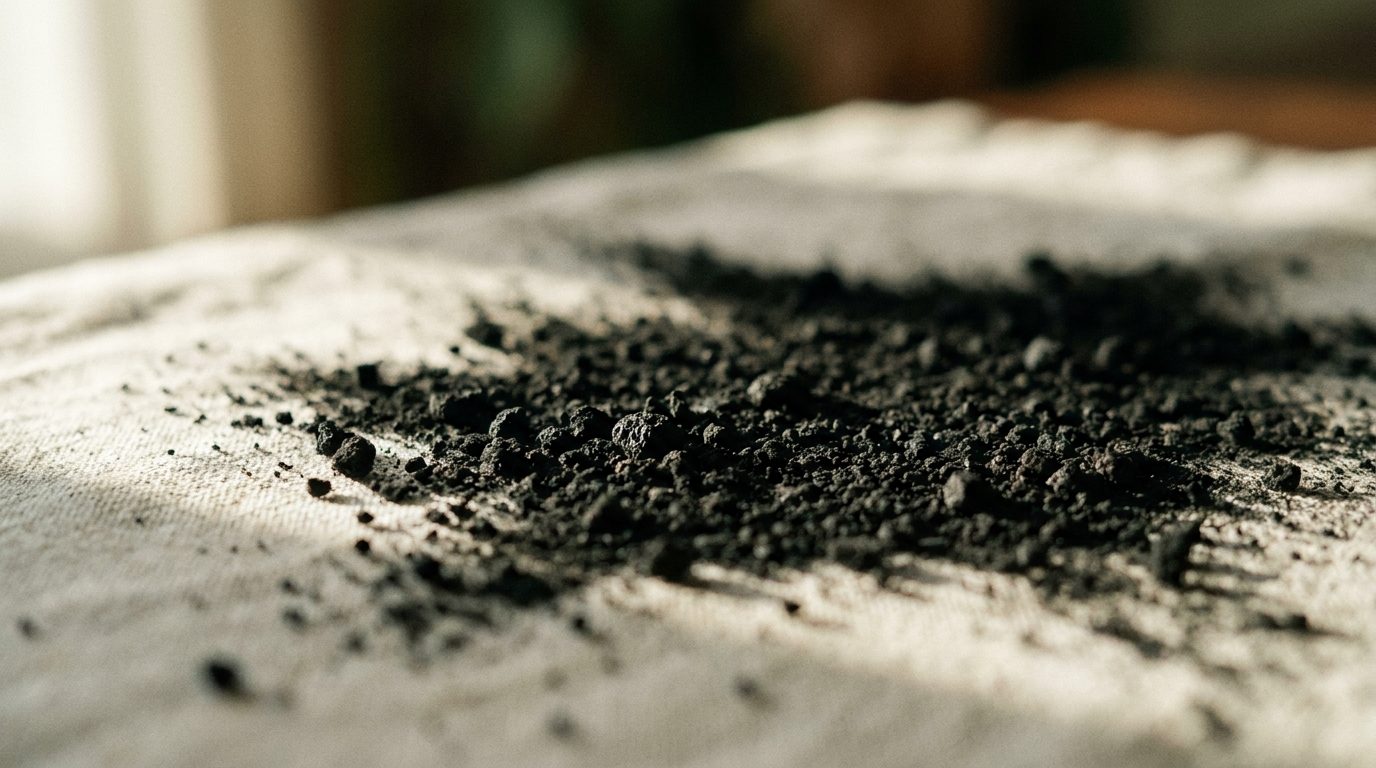
Activated charcoal is a form of carbon that has been processed to have many tiny pores, giving it an enormous surface area that can bind and trap toxins and chemicals.
Classification: Other › Activated Charcoal
Key Takeaway
Activated charcoal is used medically for certain poisonings and is a staple binder in natural detox protocols. It must be taken away from medications and nutrients because it binds indiscriminately.
Why This Matters
In medical settings, activated charcoal is used in emergency rooms for certain overdoses and poisonings because it can bind toxins in the gut before they are absorbed. In natural health, coconut-derived activated charcoal is commonly included in parasite cleanse protocols as a binder to trap toxins released during die-off and escort them out through the stool. Because it binds broadly, activated charcoal should be taken at least 1 to 2 hours away from medications, supplements, and food to avoid reducing their absorption.
How Activated Charcoal Relates to Parasites and Cleansing
When antiparasitic herbs start working, organisms die and break apart. That process releases debris and metabolic byproducts into the gut, and a good portion of it can be reabsorbed through the intestinal wall rather than leaving the body. That reabsorption is a large part of why people feel worse before they feel better during a cleanse.
Activated charcoal’s role is to intercept some of that material while it is still in the digestive tract, so it leaves in the stool instead of circulating again. This is why charcoal is grouped with binders rather than with antiparasitic herbs. It does not kill anything. It carries things out. In the RogersHood ParaFy Kit, coconut-derived activated charcoal is the binder component, paired with cinnamon in the Cinnabin capsules — you can see how that fits the wider protocol in the full ingredient breakdown.
One honest limitation is worth understanding: activated charcoal works only inside the gastrointestinal tract. It does not enter the bloodstream and it does not scrub the liver, despite how it is sometimes marketed. Its usefulness is real but it is local.
How It Actually Works
The word to know is adsorption, not absorption. Absorption means a substance is soaked into something. Adsorption means molecules stick to a surface. Activation processes the carbon so it becomes riddled with microscopic pores, producing a surface area somewhere between roughly 800 and 3,500 square metres per gram — an extraordinary amount of surface folded into a spoonful of powder.
That surface carries a slight negative charge, which attracts positively charged molecules and holds them there as the charcoal passes through the gut. It is a physical process rather than a chemical or biological one, which is also why it is so indiscriminate.
What the Evidence Actually Shows
The strongest evidence for activated charcoal comes from emergency medicine, where it is a genuine standard of care for certain poisonings and overdoses. Given soon after ingestion — usually within about an hour — it can bind a toxic substance in the gut before the body absorbs it.
It is worth being straightforward about the gap between that and everyday use. Evidence that charcoal binds a specific drug in an acute poisoning does not automatically mean an over-the-counter dose clears every substance described loosely as a “toxin”. Most of the research base was never designed to answer the cleansing question. What can reasonably be said is that the binding mechanism is well established, and that people using it during a cleanse commonly report easier die-off symptoms.
Timing Matters More Than Dose
Because charcoal binds broadly, it does not distinguish between die-off debris and the medication, mineral or vitamin you took with breakfast. The practical rule most protocols use is to take it at least one to two hours away from food, supplements and medications, and to keep that spacing consistent rather than occasional.
Two other practical points. Charcoal can be constipating, and a binder that slows elimination works against its own purpose, so water intake and daily bowel movements matter more than usual while taking it. And if you take prescription medication of any kind, that spacing question is worth raising with your prescriber rather than guessing.
Related terms: Binder, Bentonite Clay, Zeolite.
Affiliate disclosure
If you would like a structured next step
Human Parasite Cleanse is an independent site. We earn a commission on purchases made through the links below, including when the discount code is used. That costs you nothing extra and does not change what we recommend. The RogersHood ParaFy Kit is a 30-day herbal parasite cleanse protocol that follows a layered, drainage-first approach. Readers who want a concrete place to start can see our full ParaFy Kit review or use code JOSH10 for 10% off. Consult a qualified healthcare provider for diagnostic questions and treatment of specific conditions.
Affiliate disclosure: humanparasitecleanse.com may earn a commission if you purchase through this link, at no additional cost to you. We only recommend products that align with the educational framework on this site.
Frequently Asked Questions
What is activated charcoal used for?
Emergency treatment of some poisonings in medical settings, and as a binder in natural detox and parasite cleanse protocols.
When should I take activated charcoal?
Typically at night, at least 1 to 2 hours away from medications, supplements, and food, because charcoal binds to everything non-selectively.
Is activated charcoal safe?
Short-term use is generally safe. Long-term daily use can contribute to constipation and reduce nutrient absorption, so it is usually used during defined cleanse windows.
