The short version
A handful of everyday foods show up again and again in both traditional antiparasitic use and modern research. Pumpkin seeds, papaya seeds, garlic, pomegranate, coconut, pineapple, and aromatic herbs like oregano, clove and thyme are the most commonly cited. None of them is a standalone cure. They work best as part of a supported parasite cleanse that opens drainage pathways first.
What actually makes a food antiparasitic?
A food earns the label “antiparasitic” when it contains compounds that disrupt parasite biology in some measurable way. That can mean paralyzing worms so the body can eliminate them, damaging the protective coating around cysts, irritating the digestive environment parasites prefer, or feeding beneficial microbes that crowd parasites out. The research is mixed and most studies are in vitro or in animal models, not human clinical trials. What’s consistent is that the same short list of foods keeps appearing across ethnobotany journals, pharmacology reviews, and traditional medicine systems from West Africa to the Caribbean to Southeast Asia.
Parasitic infections are more common than most people assume, and according to the CDC millions of people in the United States carry one without knowing. Food-based approaches tend to be gentler than pharmaceuticals and fit naturally into a longer, layered cleanse. They’re also easy to add without committing to a protocol. Below are the 17 that show up most often in the literature and in clinical practice.
The 17 foods that show up most often in antiparasitic research
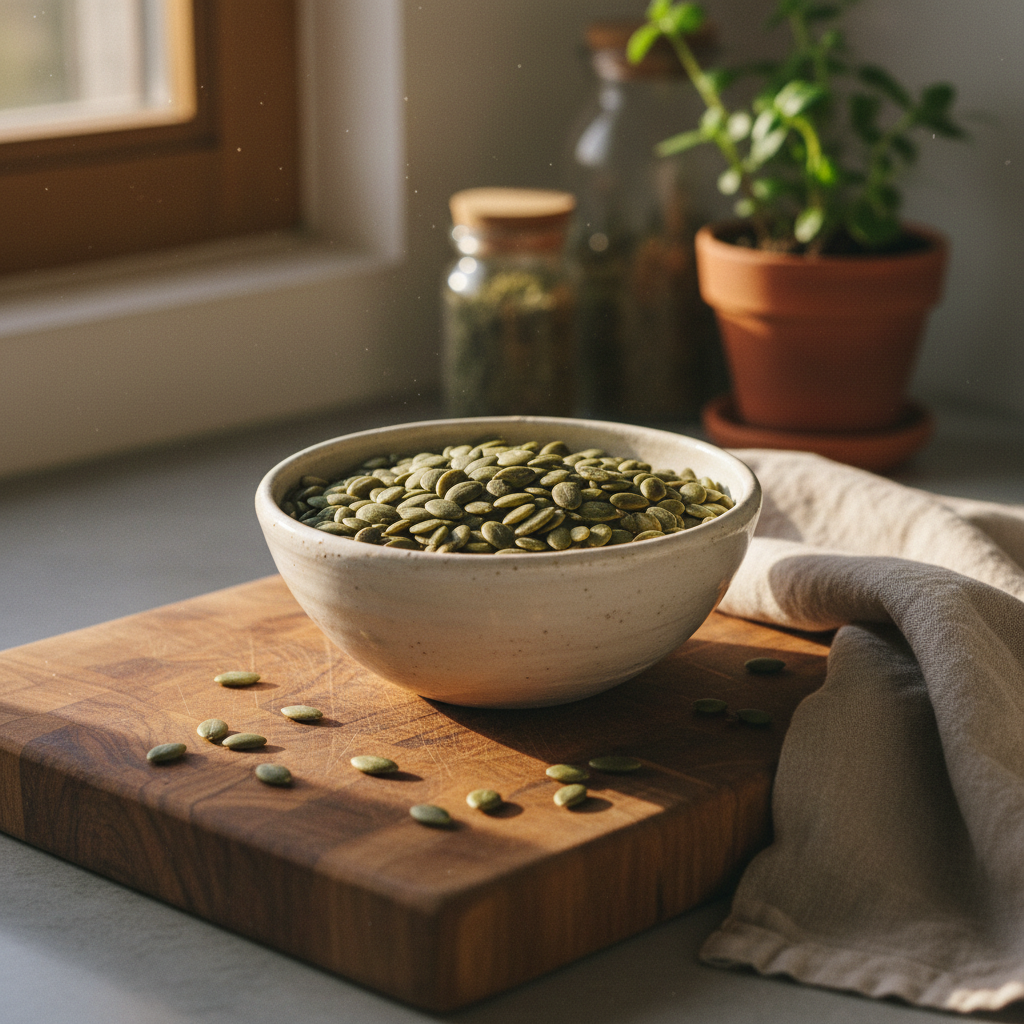
1. Pumpkin seeds
Pumpkin seeds contain cucurbitin, an amino acid that has been studied for its ability to paralyze intestinal worms so they lose their grip on the gut wall and pass out with normal elimination. They’re one of the oldest documented antiparasitic foods in Western herbalism and a staple in traditional tapeworm protocols across Eastern Europe and Central America.
Eat them raw or lightly toasted. A common suggestion is one quarter cup per day on an empty stomach for a week or two. Grinding them fresh and adding them to a smoothie preserves the active compounds.
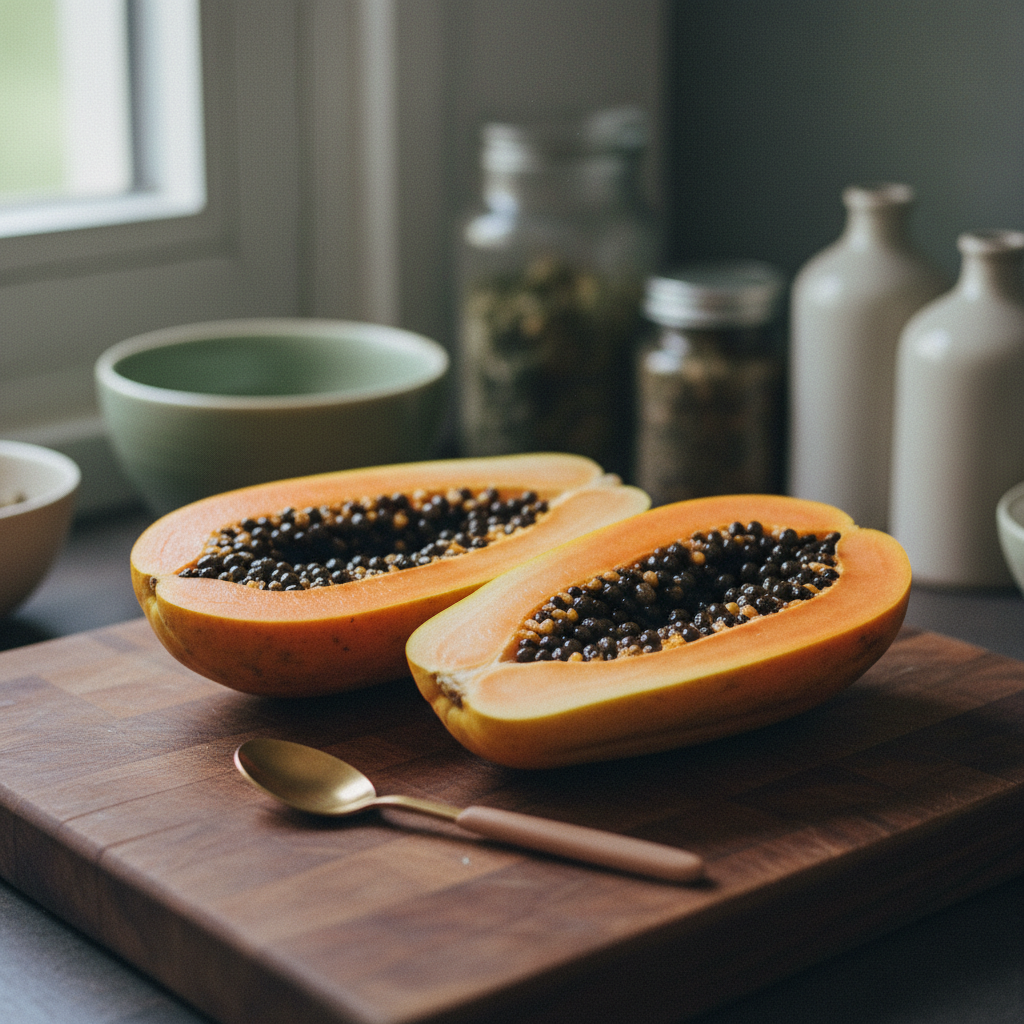
2. Papaya seeds
The small black seeds in the middle of a ripe papaya are the part with the antiparasitic activity. They contain carpaine and benzyl isothiocyanate, compounds studied for their effects on intestinal parasites in small human trials out of Nigeria and Southeast Asia. They have a peppery, horseradish-like bite.
A common approach is one teaspoon of fresh seeds chewed thoroughly or blended into a smoothie with honey. The unripe green papaya fruit itself contains papain, a digestive enzyme that some practitioners pair with the seeds for a broader effect.
3. Garlic
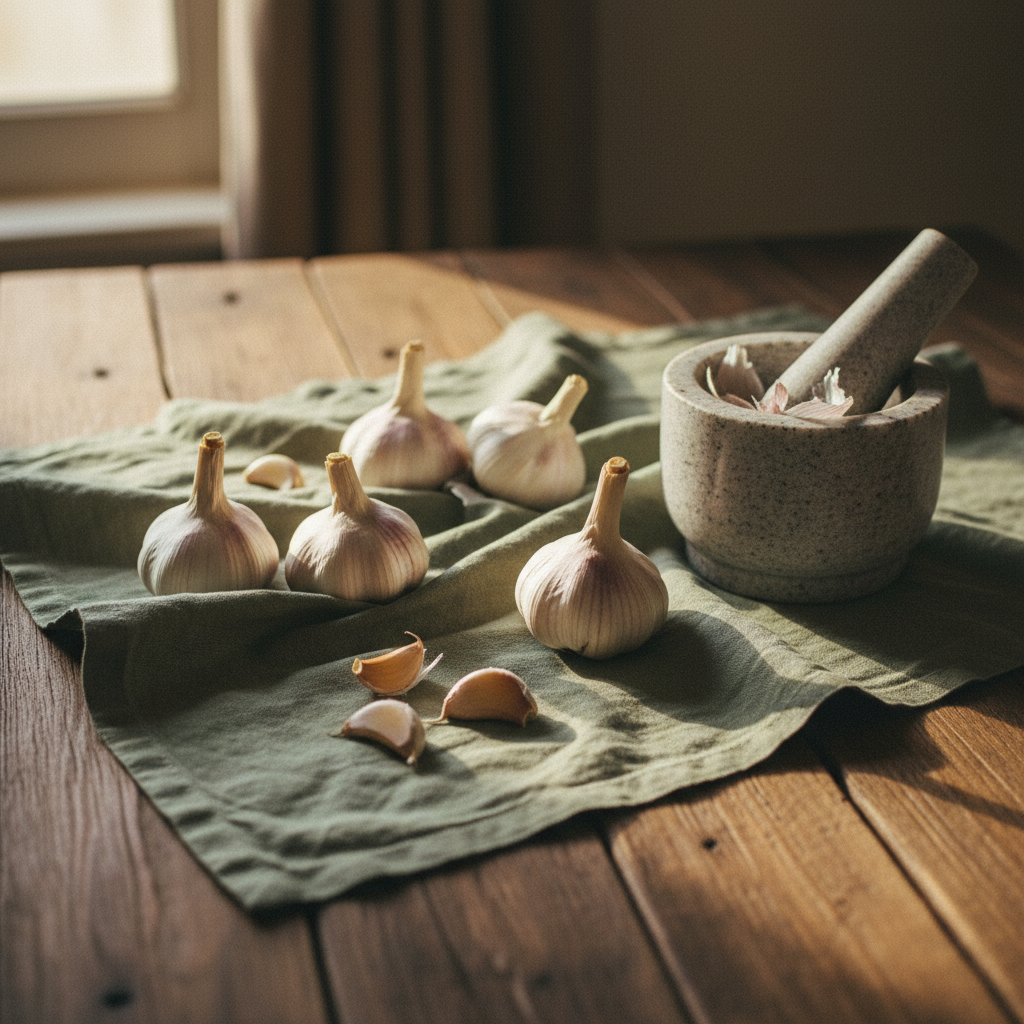
Garlic is one of the most studied plants in the antimicrobial literature. Its main sulfur compound, allicin, shows activity against a wide range of protozoa, worms, fungi, and bacteria in laboratory studies. Crushed raw garlic releases the most allicin, and the effect fades when it’s cooked, so raw is preferred when the goal is antiparasitic.
Common use is one to two crushed cloves per day, often mashed into raw honey or taken with a spoon of olive oil to soften the burn on an empty stomach. Start small if you’re new to raw garlic, the reaction in the gut can be strong.
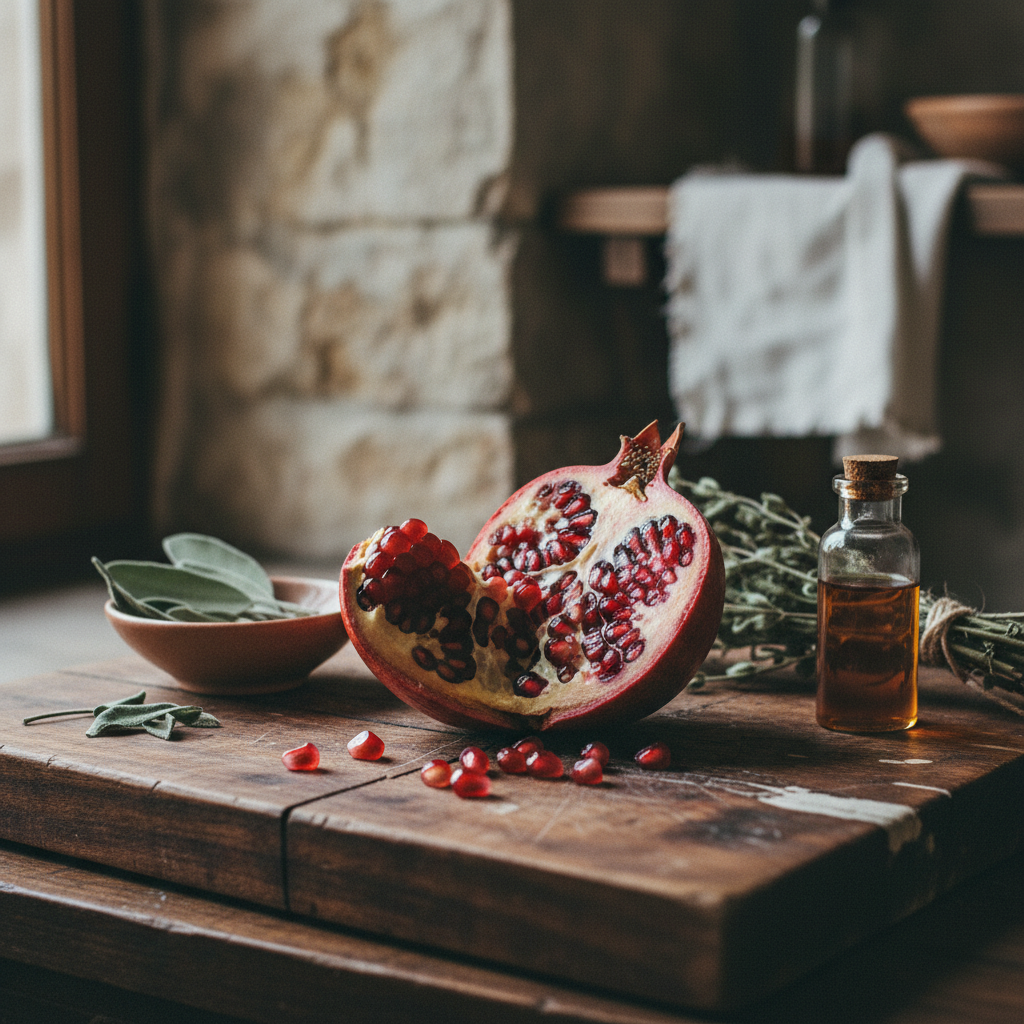
4. Pomegranate
Pomegranate has been used against tapeworms for thousands of years. The bark and rind are the traditional antiparasitic parts because they contain punicalagins and pelletierine alkaloids. Both compounds have shown activity against intestinal worms in older pharmacological studies.
Most people stick to the fruit itself because the bark preparations can be harsh on the stomach. Fresh pomegranate seeds and cold-pressed juice still contribute a concentrated dose of ellagitannins, which feed beneficial gut bacteria that help regulate the terrain parasites prefer.
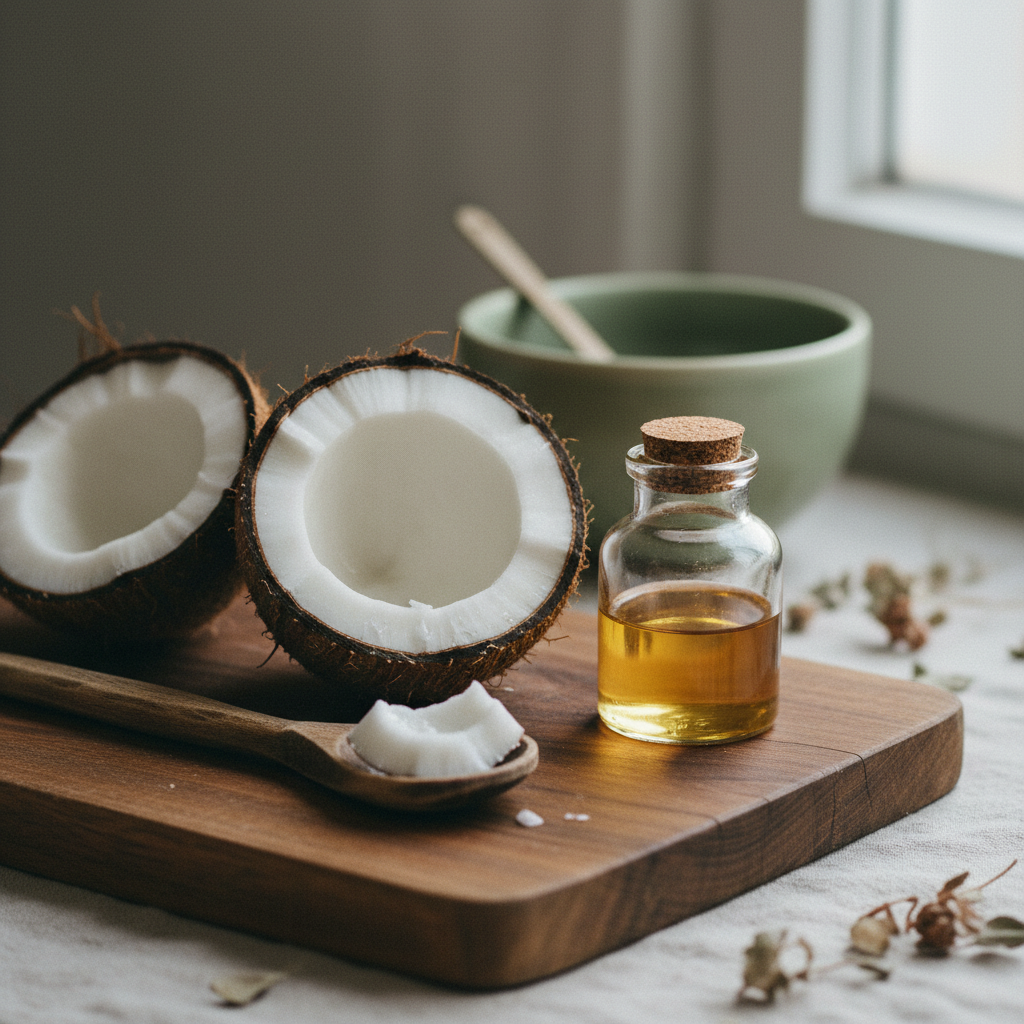
5. Coconut (flesh and oil)
Coconut is rich in lauric acid and other medium-chain fatty acids that have shown antimicrobial activity in laboratory work, including against protozoa and yeast. In parts of South Asia and the Pacific, fresh coconut flesh taken in the morning followed by a gentle salt-water flush a few hours later is a traditional deworming routine.
Everyday kitchen use is simpler. Adding a tablespoon of virgin coconut oil to a smoothie or warm water, or eating a handful of unsweetened coconut flakes, offers a mild supportive effect without needing to build a full protocol around it.
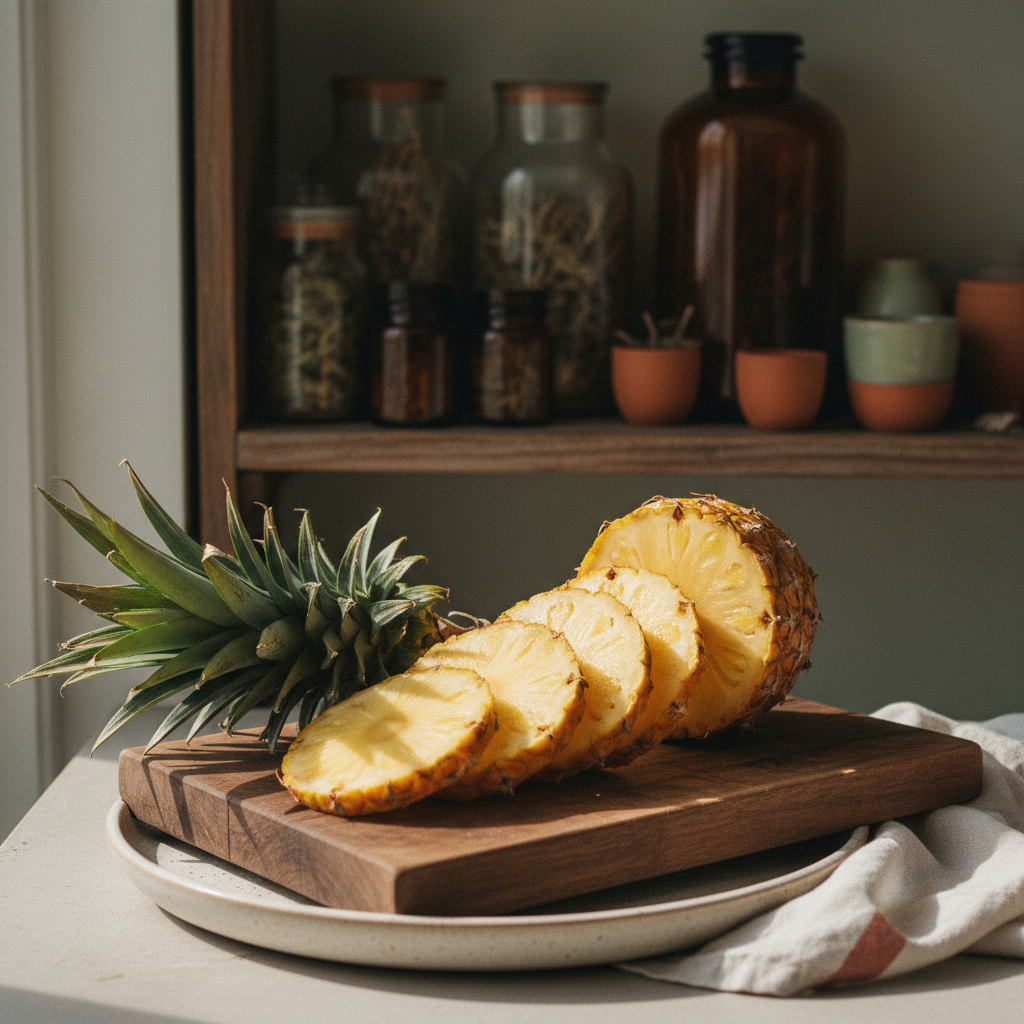
6. Pineapple
Pineapple contains bromelain, a protein-digesting enzyme that some practitioners credit with helping break down the protective layer parasites and their eggs rely on. It’s a common feature of Central American and Caribbean folk remedies for intestinal worms, often given as a fresh juice on an empty stomach for several days in a row.
The strongest concentration of bromelain is in the core, which most people throw away. Blending a chunk of core into the juice captures that fraction. For a deeper look at the mechanism, see our guide on pineapple juice as an antiparasitic.
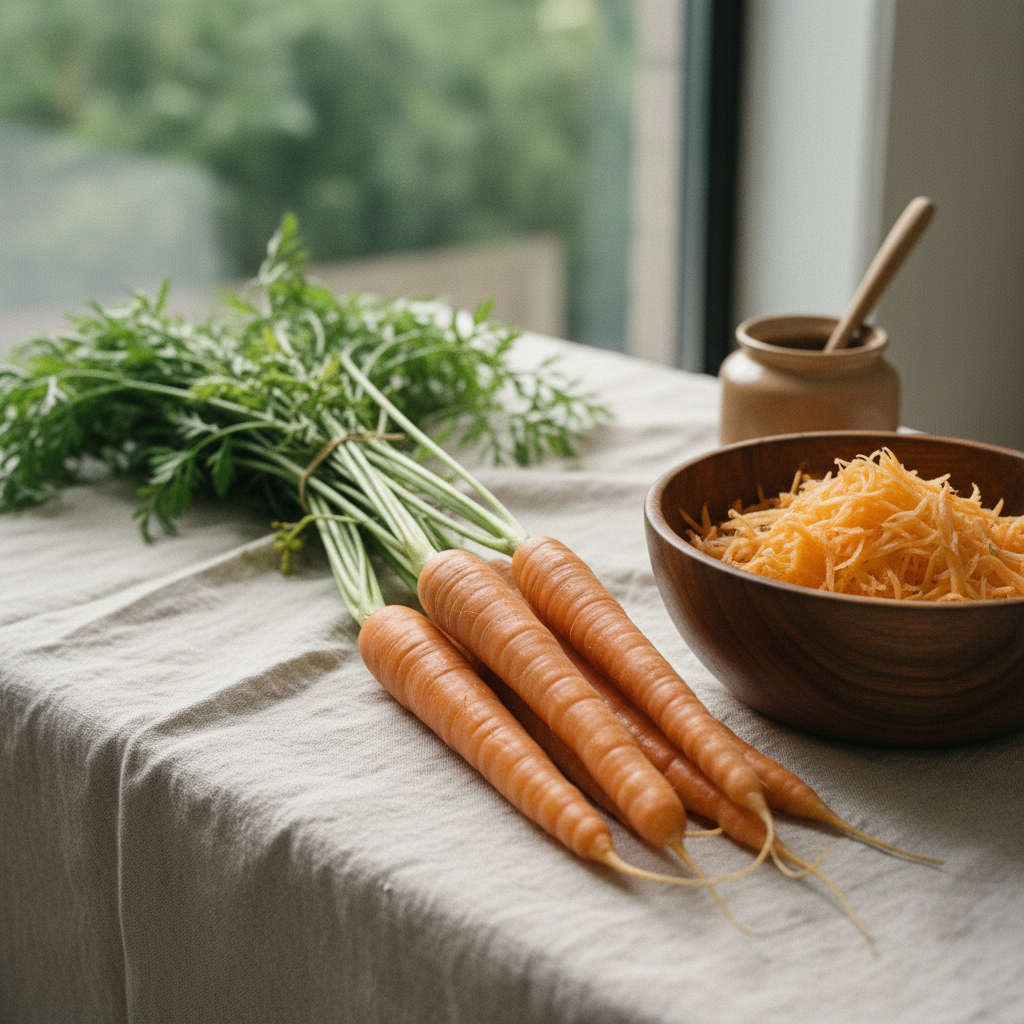
7. Carrots
Carrots are a gentler entry on this list. Their fiber helps move the bowel, their beta-carotene supports the mucous lining of the gut, and the bitter-slightly-resinous compounds in raw carrot have been traditionally credited with making the gut environment less comfortable for pinworms in particular.
A grated raw carrot first thing in the morning for a week is an old folk practice for children with pinworms. The effect is mild but it pairs well with stronger foods on this list.
8. Turmeric
Turmeric’s active compound curcumin has shown activity against Giardia, Plasmodium and Leishmania in laboratory research. It also calms the kind of gut inflammation that often accompanies long-term parasitic infection, which is why it often appears in cleanse support blends rather than as a standalone food.
Curcumin absorbs poorly on its own. Pairing turmeric with black pepper and a fat source like coconut milk or olive oil dramatically improves how much actually reaches the gut.

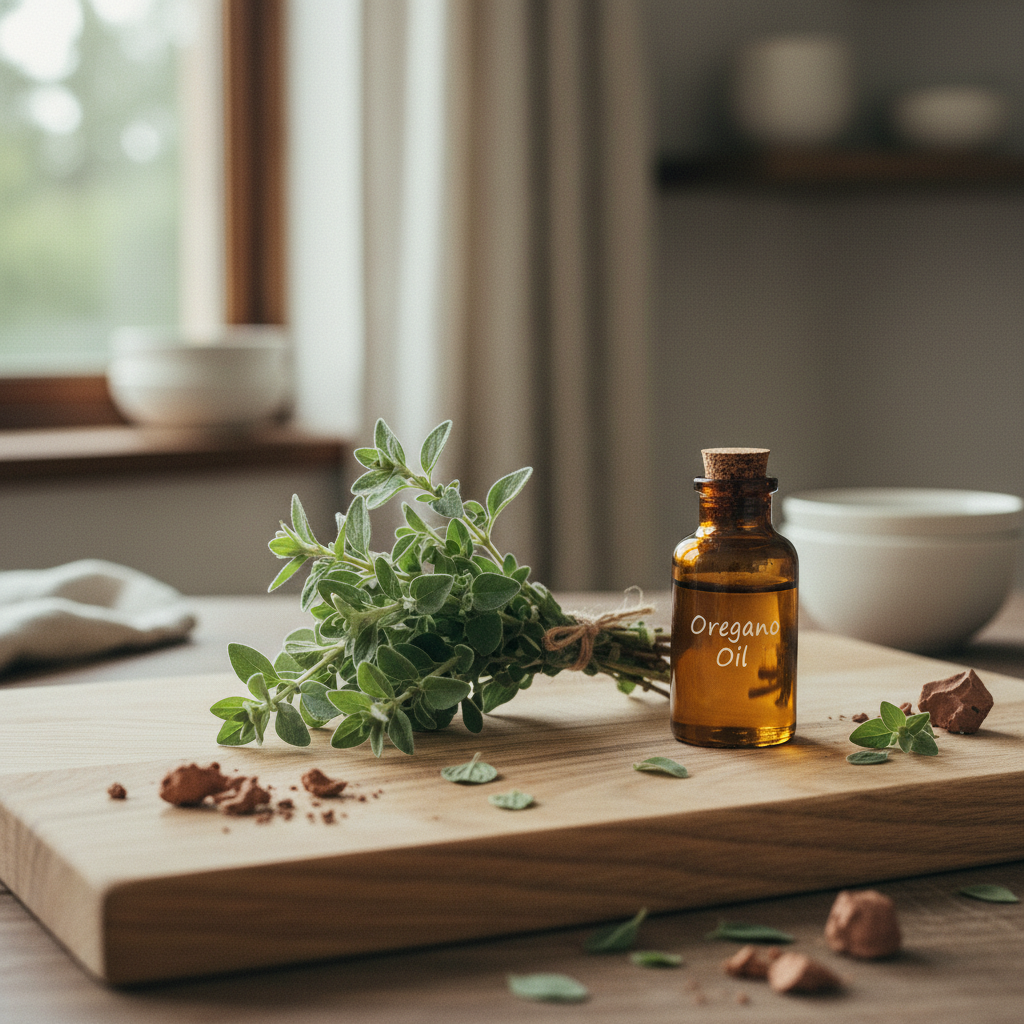
9. Oregano
Oregano’s two main aromatic compounds, carvacrol and thymol, have been studied against Giardia, Blastocystis and Entamoeba. Oil of oregano in particular is a common feature of integrative cleanse protocols. The fresh herb and dried kitchen oregano are milder but contribute the same compounds in smaller amounts.
Oil of oregano is potent and should always be diluted. A few drops in a gel cap or in a spoon of olive oil is a typical starting dose. The whole herb is safer for everyday cooking use.
10. Cloves
Cloves are rich in eugenol, a compound studied for its ability to break down parasite eggs in particular. That makes them a useful addition to protocols targeting the whole life cycle rather than just the adult stage. Hulda Clark’s classic three-herb protocol pairs cloves with wormwood and black walnut hull for exactly this reason.
In everyday cooking, simmering a few whole cloves in tea or warm apple juice is a gentle way to get the benefit. Concentrated tinctures are used in more formal cleanses.


11. Ginger
Ginger’s gingerols and shogaols have shown activity against Anisakis larvae, the parasites associated with raw fish consumption. Ginger also increases stomach acid, which makes the digestive environment less welcoming for organisms that prefer a low-acid gut.
A simple daily ritual is a thumb-sized piece of fresh ginger steeped in hot water with lemon. It doubles as a nausea remedy if die-off symptoms start kicking in.
12. Apple cider vinegar
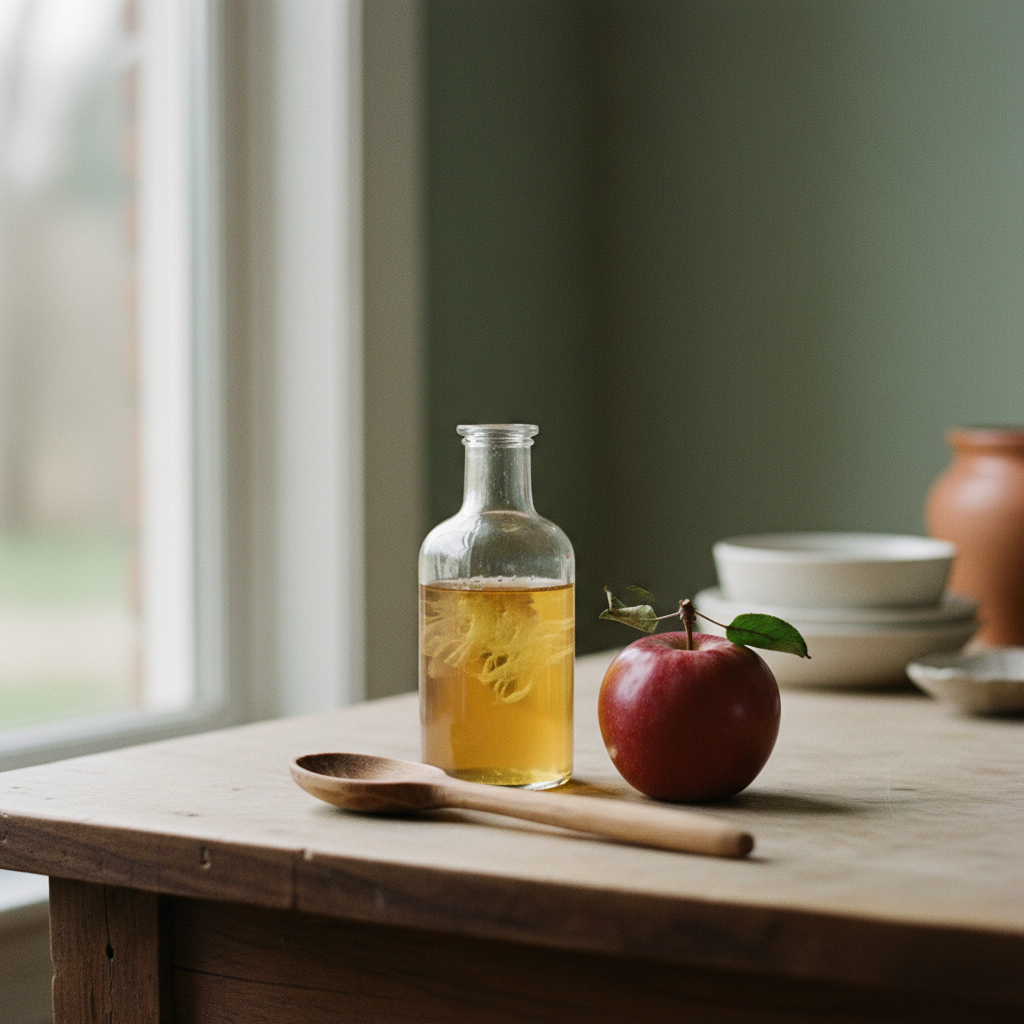
Raw apple cider vinegar with the mother still in it contributes acetic acid and a small amount of beneficial bacteria. Both contribute to a more acidic gut environment, which many intestinal parasites tolerate poorly.
A tablespoon in a glass of water before meals is the common starting point. It can also help digestion more broadly, which matters because parasites thrive when digestion is weak.
13. Beets
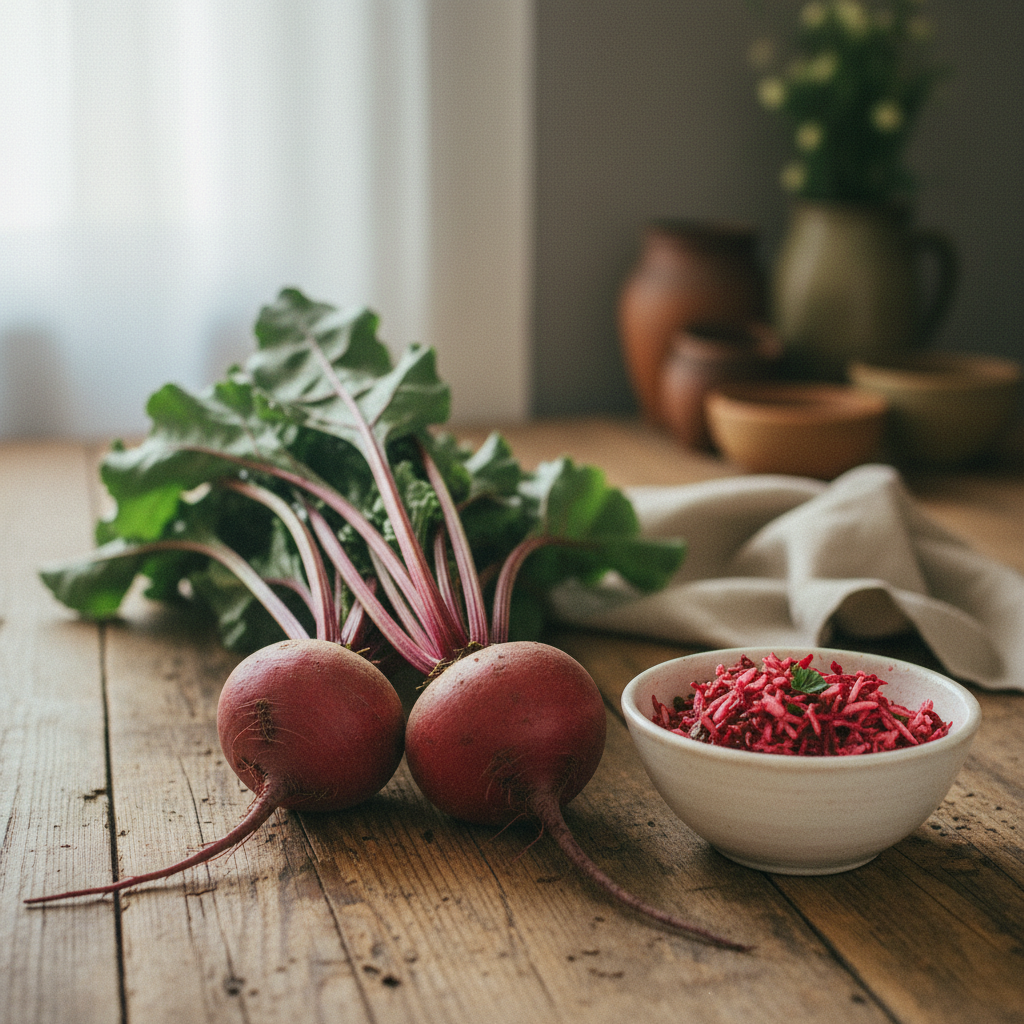
Beets aren’t directly antiparasitic in the research sense, but they support the liver, which is the organ doing most of the detox work when a cleanse stirs up toxins. A strained liver during a cleanse usually shows up as skin issues, headaches, or a rough die-off reaction.
Grated raw beet with olive oil and lemon, or roasted beets added to salads, are the easiest ways to get them in regularly. Beet kvass is a traditional fermented version that pairs well with a cleanse.
14. Cayenne and chili pepper
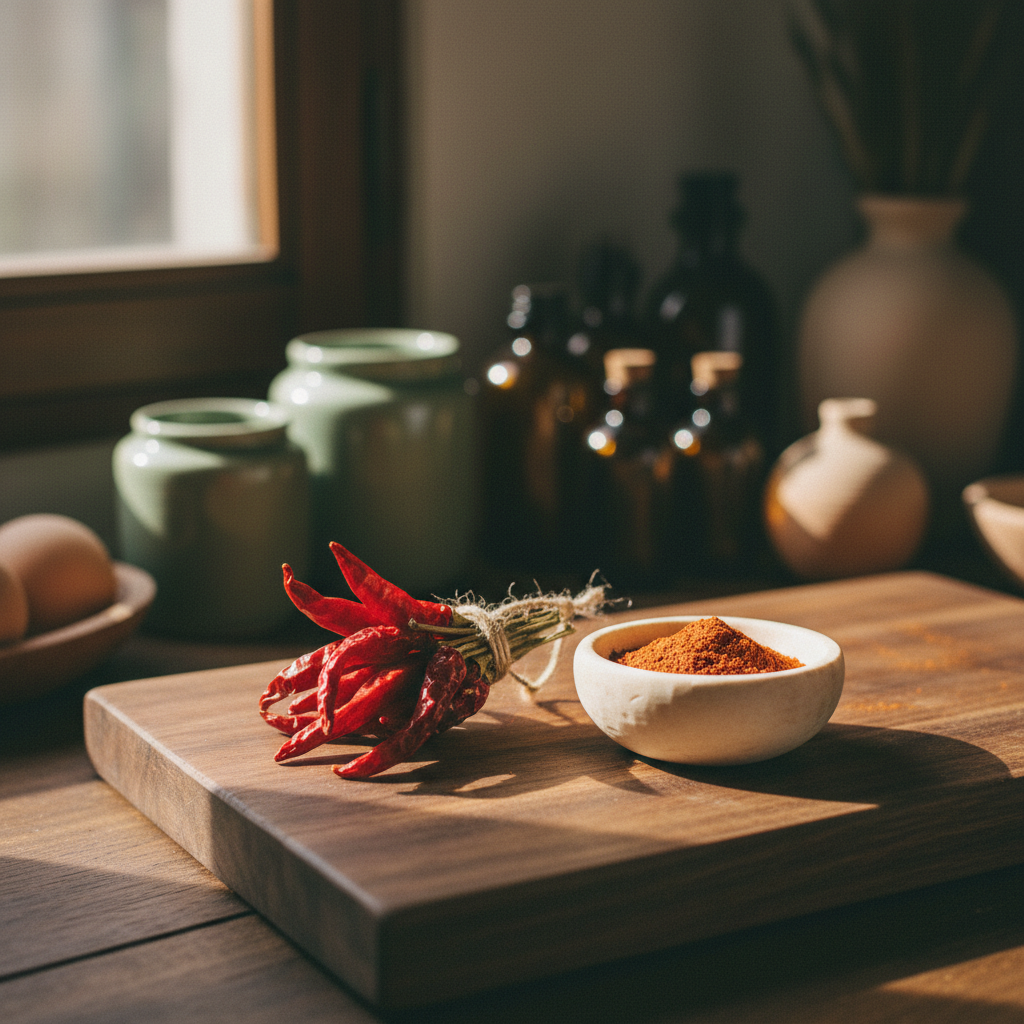
Capsaicin, the compound that gives chili peppers their heat, increases circulation, raises core body temperature slightly, and creates a gut environment parasites generally avoid. It’s one reason cuisines from hot climates, where parasite exposure has historically been higher, rely heavily on chili-based seasoning.
Sprinkling cayenne into soups and stews, or taking a pinch in warm water with lemon and honey, is the traditional method. Start small if you aren’t used to spice.
15. Cranberries
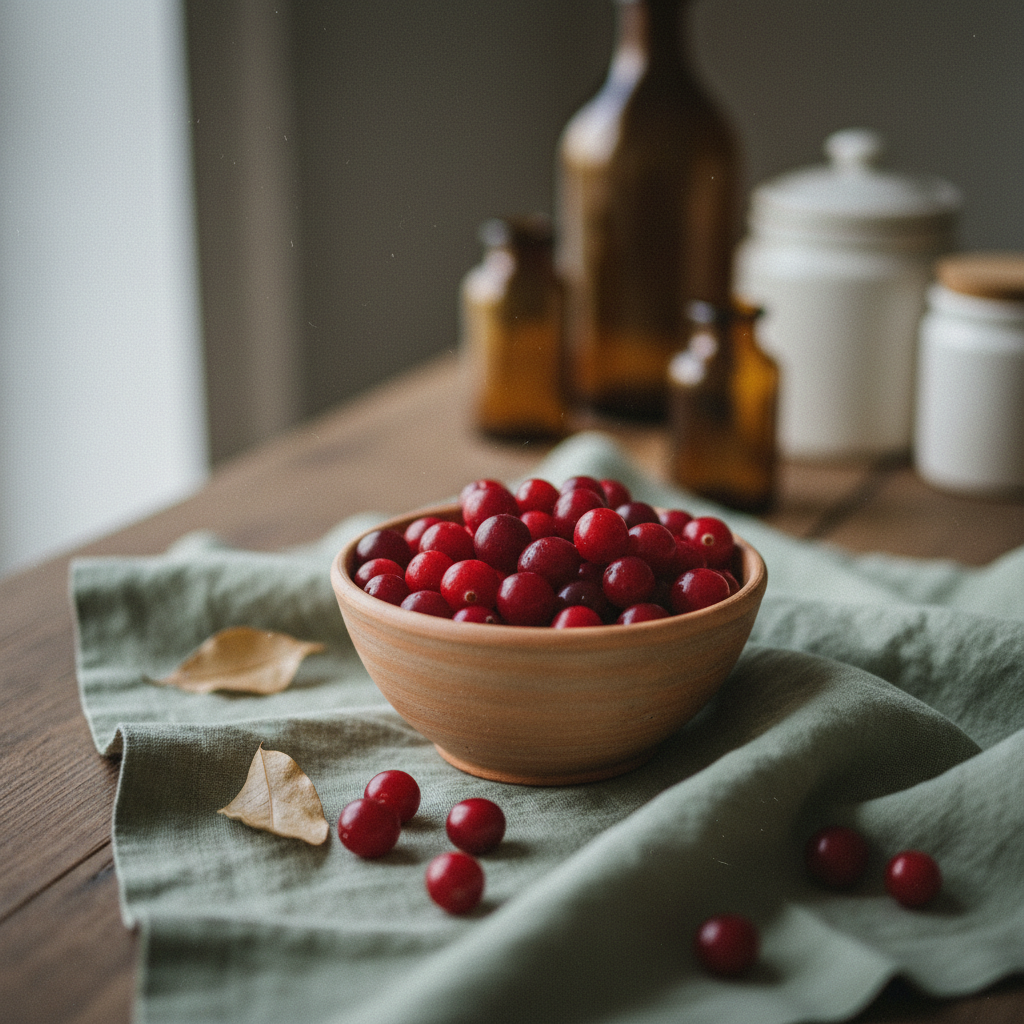
Cranberries are high in proanthocyanidins, the same family of compounds that make them effective against urinary tract bacteria. Some in vitro work suggests those compounds also interfere with the ability of certain protozoa to attach to mucous membranes.
Unsweetened cranberry juice or whole dried cranberries without added sugar are the most useful forms. The sugary cocktail versions cancel out most of the benefit.
16. Raw honey
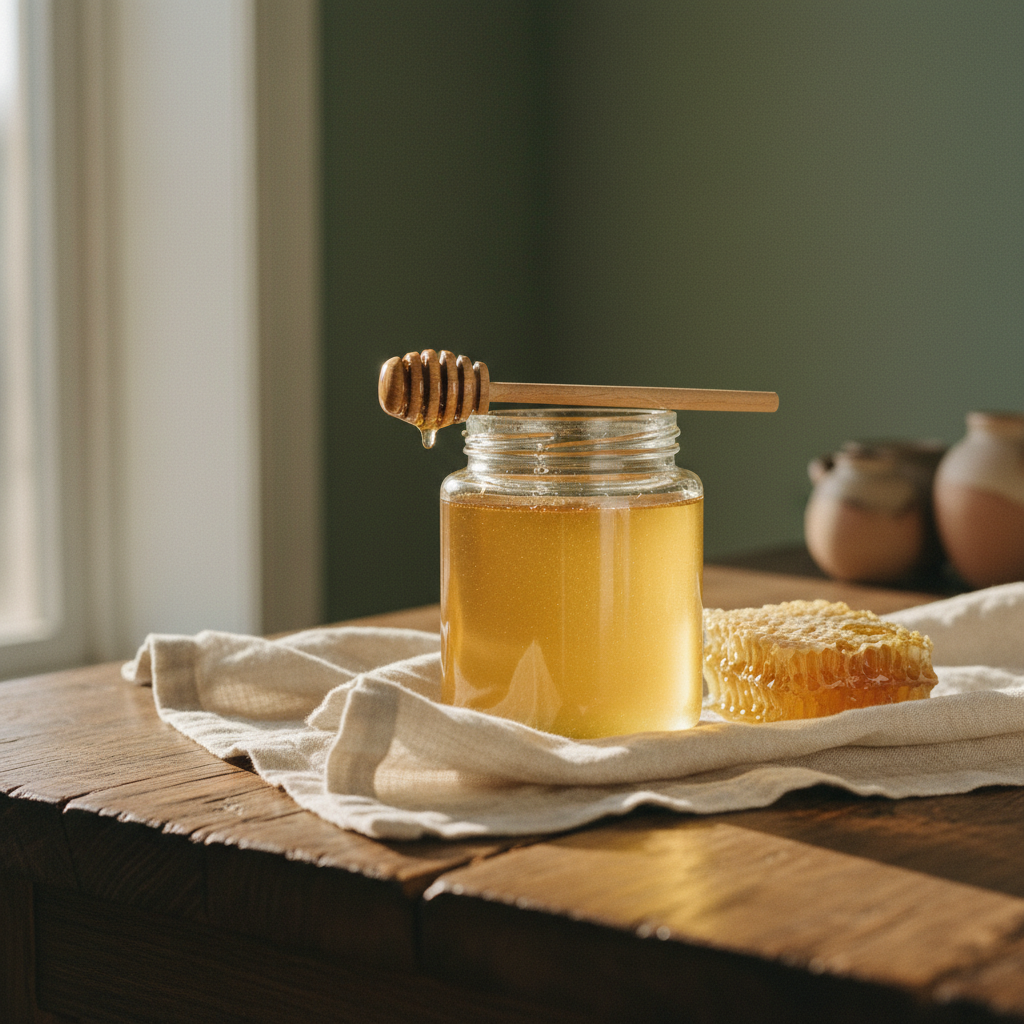
Raw unpasteurized honey, particularly manuka and other active varieties, has a long history of antimicrobial use. Laboratory studies show activity against Giardia and Leishmania strains. It’s also the traditional carrier for crushed garlic and papaya seeds because it masks the taste.
Stick to a small amount during a cleanse, since parasites feed on sugar generally. A teaspoon or two per day as a carrier is different from daily dessert portions.
17. Thyme
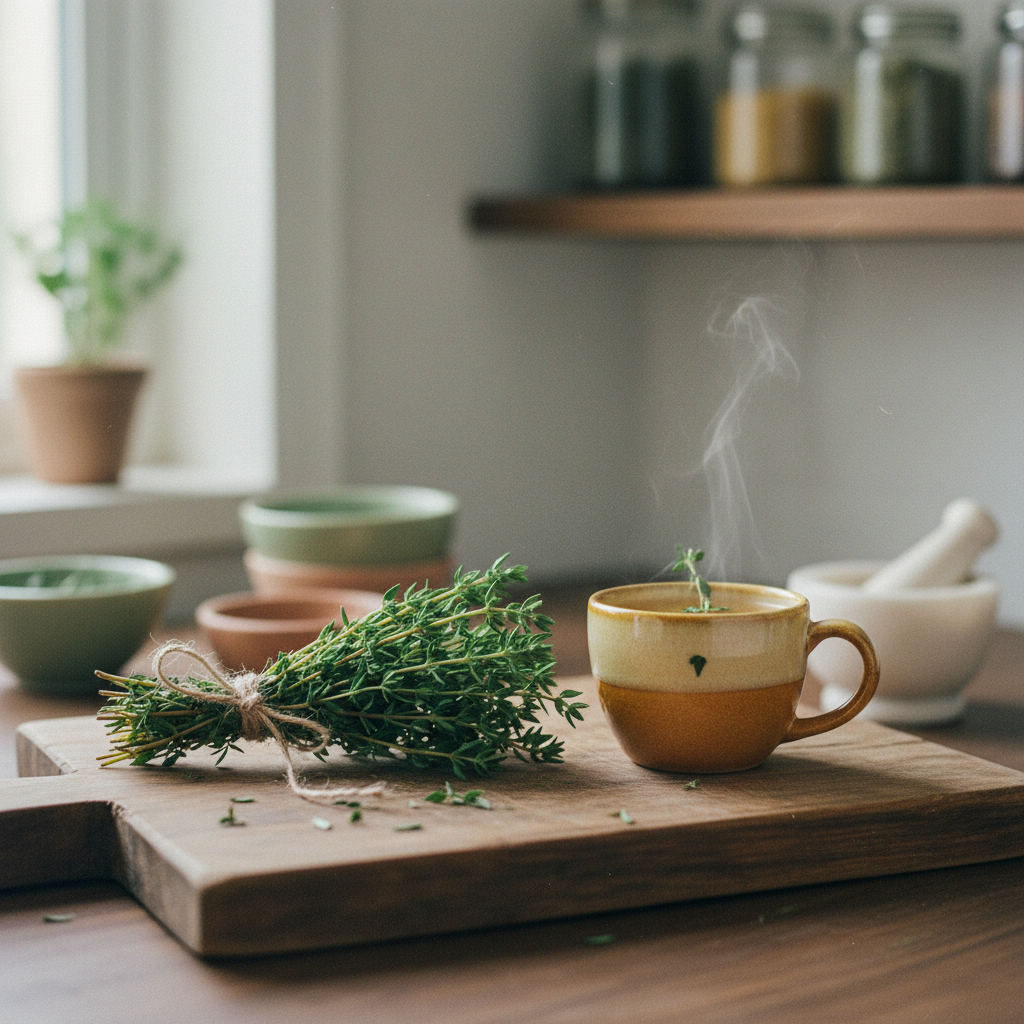
Thyme shares thymol with oregano, and ethnobotanical records from North Africa, the Mediterranean, and the Middle East document its use as a kitchen herb for gut health and as an infusion for children with worms. Modern in vitro studies back up the antiparasitic claim for Giardia in particular.
A simple thyme tea, one teaspoon of dried thyme steeped in hot water for ten minutes, is the classic home preparation. It’s mild enough for daily use as cleanse support.
How to actually use these foods
Rotating is more useful than piling everything onto a single meal. Parasites adapt, and using the same food every day for weeks loses effectiveness faster than alternating three or four. A practical weekly rhythm might look like pumpkin seeds and garlic on Monday and Wednesday, papaya seeds and pineapple on Tuesday and Thursday, and oregano or thyme teas on other days, with supportive foods like beets, ginger, and apple cider vinegar mixed throughout.
Most practitioners suggest two to four weeks as a starting window. Parasites have life cycles of two to four weeks, so cutting a protocol short often lets a new generation hatch after the adults have been addressed. This is also why layered cleansing tends to outperform a single intense week.
Open your drainage pathways first
This is the part most home cleanses skip. When parasites die off, they release toxins, ammonia, and in some cases heavy metals that the host had been storing in parasite tissue. If your liver, lymphatic system, kidneys, and bowel aren’t ready to move that load out, you feel worse before you feel better. Fatigue, skin breakouts, headaches, and flu-like symptoms are the usual signals.
Practical support looks like plenty of filtered water, daily bowel movements, gentle movement or sweating, and a binder like activated charcoal or bentonite clay if things get intense. The principle is simple. Kill first, carry out second, and the second part is usually the weak link.
When food alone is not enough
Food-based antiparasitic support is a great starting point, and for many people it’s the only tier they ever need. For others, especially those dealing with symptoms that haven’t budged with diet changes, a structured herbal protocol moves faster than kitchen foods alone. The difference is concentration. A fresh pumpkin seed contributes a small dose of cucurbitin. A focused protocol stacks concentrated doses of multiple antiparasitic compounds across the full life cycle, with a binder built in.
If you’re weighing your options, our guide to the best parasite cleanse walks through what to look for in a protocol.
Affiliate recommendation

If you’d like a structured next step
The RogersHood ParaFy Kit is a 30-day herbal parasite cleanse protocol that follows a layered, drainage-first approach. Readers who want a concrete place to start can use code JOSH10 for 10% off.
Affiliate disclosure: humanparasitecleanse.com may earn a commission if you purchase through this link, at no additional cost to you. We only recommend products that align with the educational framework on this site.
Frequently Asked Questions
How fast do antiparasitic foods work?
Most people who see a response see it inside two to four weeks. Parasite life cycles are typically two to four weeks long, so that’s the minimum useful window. Food-only approaches tend to work slower than a concentrated herbal protocol, but they’re also gentler on the body and easier to sustain.
Can children eat these foods as an antiparasitic?
The milder options on this list are widely used with children in traditional settings. Raw grated carrot, pumpkin seeds, pineapple, and coconut are common. Concentrated forms like oil of oregano, raw garlic doses, and wormwood preparations should be discussed with a qualified pediatric provider before use. This is not medical advice.
Do I need to fast or restrict sugar while eating these?
You don’t need to fast, but reducing added sugar and refined carbohydrates is consistent advice across nearly every parasite protocol. Parasites feed on sugar, and the fewer easy calories they get, the better the antiparasitic compounds tend to perform. A few days of a lower-sugar pattern at the start of a cleanse is a common setup.
What if I feel worse after starting?
Feeling worse before better is common enough that it has a name, the Herxheimer reaction, or die-off. It usually means the protocol is working faster than your drainage pathways can keep up. Slowing the antiparasitic intake, increasing water, supporting the bowel, and adding a gentle binder are the usual adjustments. If symptoms are severe or persistent, talk to a qualified practitioner.
Are these foods enough on their own, or do I need a supplement protocol?
For mild symptoms and a precautionary approach, food alone is often sufficient. For people who have already tried dietary changes without meaningful results, who have multiple symptoms stacking up, or who want to address the whole parasite life cycle in a single pass, a structured herbal protocol typically moves the needle faster. Both are valid starting points.