What Is Hawthorn Berry?
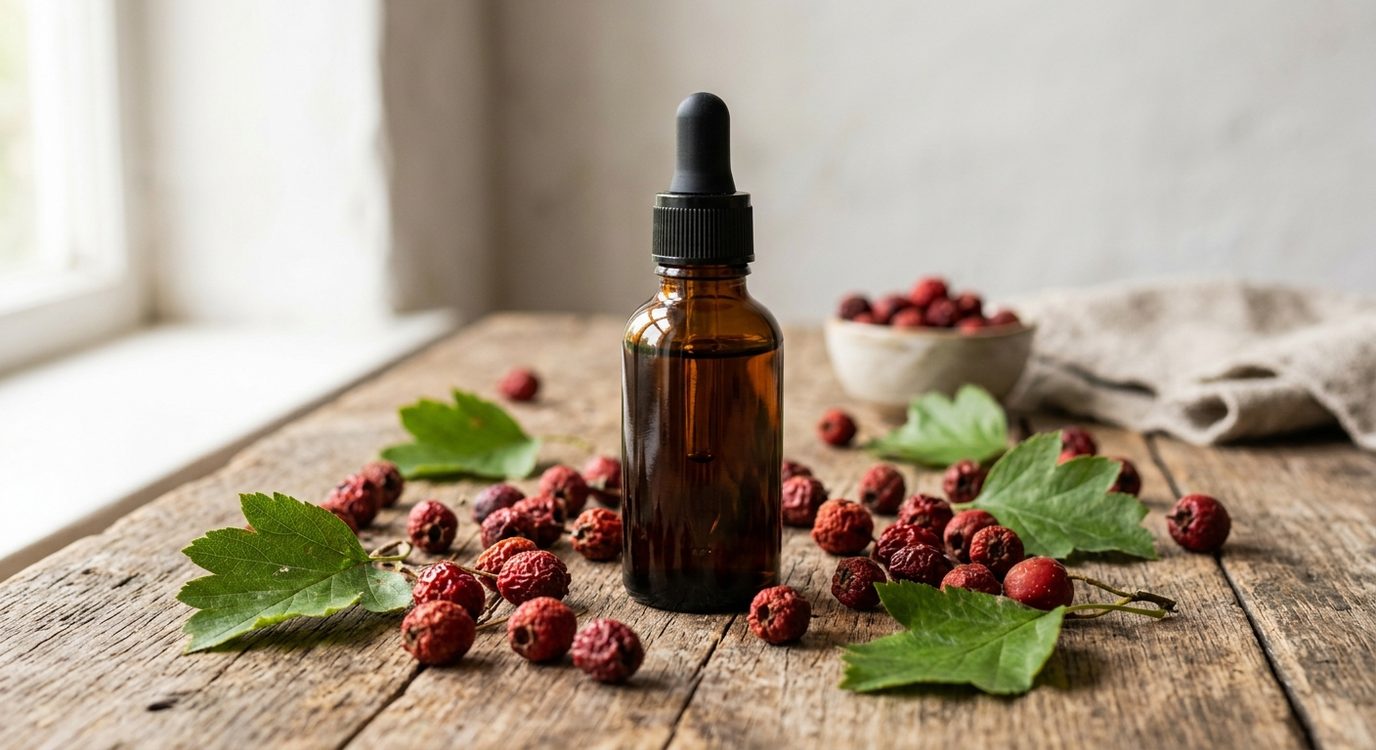
Hawthorn berry comes from the hawthorn shrub, a thorny plant in the rose family with the botanical name Crataegus. The small red berries have been used in traditional European and Chinese medicine for centuries. They are rich in flavonoids and antioxidants, particularly oligomeric proanthocyanidins (OPCs). Hawthorn is best known for its effects on cardiovascular health, but its benefits extend to inflammation, digestion, circulation, and cleansing support as well.
Quick Summary
- Hawthorn berry supports the heart, blood vessels, and circulatory system
- A Cochrane Review found significant benefits for heart function in clinical trials
- During a cleanse, it supports drainage and lymphatic clearance so die-off waste moves out efficiently
- It has a mild anti-inflammatory and calming effect, useful when the body is under cleanse-related stress
- Generally safe for long-term use; check with your provider if you take heart medications

Hawthorn Berry Benefits
Hawthorn has one of the most studied evidence bases of any herbal remedy. Its effects are not speculative or anecdotal. Here is what the research and traditional use tell us.
Cardiovascular Support
The clearest and most replicated benefit of hawthorn is its effect on the heart and blood vessels. Its flavonoids help relax and dilate blood vessels, which reduces vascular resistance and improves the efficiency of the heart’s pumping action.
A Cochrane Review of hawthorn extract trials found meaningful, statistically significant improvements in exercise tolerance and reductions in symptoms like shortness of breath and fatigue in people with chronic heart failure. That level of evidence is rare in the herbal world.
This matters for healthy people too, not just those with diagnosed heart conditions. Better cardiovascular function means better delivery of oxygen and nutrients to every cell in your body.
Blood Pressure and Circulation
Hawthorn has a mild vasodilatory effect, which means it helps widen blood vessels. This is associated with modest reductions in blood pressure in people with borderline or elevated readings. A 2006 randomised controlled trial found that 1,200 mg of hawthorn extract daily produced a meaningful reduction in diastolic blood pressure compared to placebo.
For those without blood pressure concerns, this translates to improved overall circulation. Blood moves more freely. Tissues get what they need. Waste products move out more efficiently.
Anti-inflammatory and Antioxidant
Hawthorn is rich in vitexin and hyperoside, two flavonoids with documented anti-inflammatory activity. These compounds help reduce oxidative stress throughout the body by neutralising free radicals.
This is relevant outside a cleansing context, but particularly useful during one. Cleansing creates a temporary spike in cellular debris and die-off compounds. The anti-inflammatory action of hawthorn helps the body manage that burden without tipping into prolonged discomfort.
Digestive Support
Traditional use of hawthorn includes support for digestion, particularly for indigestion, bloating, and poor nutrient absorption. The berries contain pectin, a soluble fibre that supports the gut microbiome and helps regulate bowel transit.
This digestive effect is modest compared to dedicated gut herbs, but it means hawthorn is not simply working on one system in isolation. It contributes to overall gut environment as well.
Nervous System and Calming Effect
Hawthorn has a mild anxiolytic effect. Several older studies suggest it can reduce anxiety symptoms, and it has a long traditional history as a calming herb for the heart-mind connection.
Sleep disruption and low-grade anxiety are common complaints during an active cleanse, when the body is working harder than usual. Hawthorn’s calming quality helps take the edge off that period.
Hawthorn Berry and Parasite Cleansing
Hawthorn is not an antiparasitic herb. It does not kill worms or drive pathogens out. Its role in a cleansing protocol is different, and arguably just as important.
Why Drainage Support Matters
When parasites die off, the debris has to go somewhere. Your lymphatic system, your liver, and your circulation are the routes it travels before it leaves your body. If those pathways are sluggish or under-supported, the die-off compounds re-enter circulation instead of being excreted. This is sometimes called a Herxheimer-type reaction, and it is why some people feel worse, not better, when they first start a cleanse.
Think of it this way: cleansing is like clearing a blocked drain. If the pipe downstream is also narrow, you create pressure in the system. Opening that downstream pathway is what drainage support herbs do.
Hawthorn opens the cardiovascular side of that pipe.
Lymphatic Circulation
The lymphatic system runs parallel to the circulatory system and handles a significant portion of waste removal from tissues. Unlike blood, lymph has no dedicated pump. It moves through muscle contraction, breathing, and the pressure created by healthy blood circulation.
When cardiovascular function is strong and vessels are relaxed, lymph moves more freely. Hawthorn’s vasodilatory effect helps create the conditions for that flow. Better lymphatic movement means better tissue clearance during the active phase of a cleanse.
Managing Die-off Symptoms
Heart palpitations, fatigue, and a general sense of feeling “stuck” are among the more common die-off complaints. These symptoms often point to circulatory stress. The body is working hard to process and move a higher-than-usual load of cellular debris, and the cardiovascular system is feeling the strain.
Hawthorn’s combination of cardiac support, vasodilation, and mild calming effect directly addresses this cluster of symptoms. It is not suppressing the cleansing process. It is supporting the infrastructure that makes the cleansing process work smoothly.
Why It’s in the ParaFy Kit
RogersHood includes hawthorn in the ParaFy tincture alongside black walnut hull, clove, wormwood, and garlic. The antiparasitic herbs in that list target parasites directly. Hawthorn is there to support the body’s ability to handle what those antiparasitic herbs release.
This combination approach, antiparasitic herbs plus drainage support herbs, is considered standard in structured cleansing protocols. Hawthorn represents the cardiovascular piece of that drainage layer.
Want to See How This Fits Into a Full Protocol?
Drainage support, antiparasitic herbs, binders. See how all the pieces work together in a structured cleanse.
Read the Full GuideSide Effects and Drug Interactions
Hawthorn is considered one of the gentler herbs in clinical use. Serious side effects are rare and typically associated with very high doses. Mild digestive upset (nausea, stomach discomfort) is occasionally reported, particularly when taken on an empty stomach.
Drug interactions to know: Hawthorn can potentiate the effects of cardiac medications, including digoxin and beta-blockers. If you take any medication for heart conditions, blood pressure, or arrhythmia, speak with your healthcare provider before adding hawthorn to your routine. It can enhance those medications’ effects in ways that require monitoring.
Hawthorn is generally not recommended during pregnancy due to limited safety data. Use during breastfeeding should also be discussed with a provider.
For most healthy adults not on cardiac medications, hawthorn has a strong safety record with no significant contraindications for standard use.
Forms, Dosing, and How to Take It
Hawthorn is available in several forms, and the right one depends on how you are using it.
| Form | Typical Use | Notes |
|---|---|---|
| Tincture | 15 drops in water, 2–3x daily | Fast absorption; easy to stack with other herbal tinctures |
| Capsule / Extract | 300–600 mg, 2–3x daily | Look for standardised extract (1.8% vitexin); more precise dosing |
| Tea | 1–2 tsp dried berries per cup, steep 10 min | Lowest standardisation; pleasant flavour; good for daily maintenance |
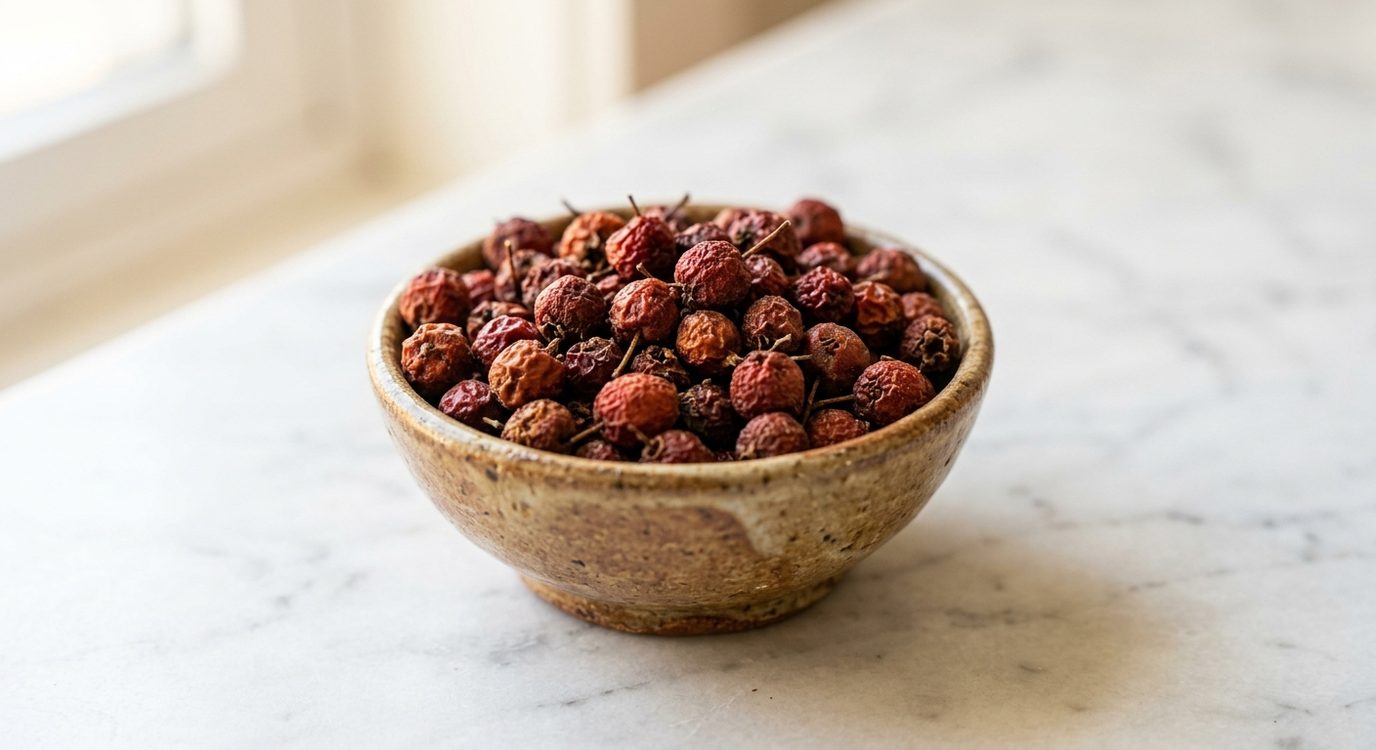
Within the ParaFy kit, hawthorn is delivered as part of the tincture blend rather than as a standalone supplement. The 15-drops-three-times-daily protocol means it is being dosed consistently throughout the day, which aligns with how hawthorn is best used, as a sustained support herb rather than a single large dose.
For general cardiovascular and cleanse support outside of a kit, a standardised extract at 300–600 mg twice daily is a common starting point. Hawthorn works cumulatively, not acutely. Give it at least four to six weeks before assessing its effect.
Frequently Asked Questions
What is hawthorn berry?
Hawthorn berry is the fruit of the Crataegus shrub, a thorny plant in the rose family. The berries are rich in flavonoids (particularly OPCs, vitexin, and hyperoside) and antioxidants. They have been used in traditional European and Chinese medicine for centuries, primarily for cardiovascular support. Modern clinical research confirms significant benefits for heart function, circulation, and blood pressure.
What are the main benefits of hawthorn berry?
The most documented benefits are cardiovascular support (improved heart function, as shown in a Cochrane Review), blood pressure reduction, anti-inflammatory and antioxidant action, mild digestive support, and a calming effect on the nervous system. It is considered a broad-spectrum tonic herb rather than a single-action supplement.
How does hawthorn berry support a parasite cleanse?
Hawthorn is a drainage support herb. During a cleanse, die-off waste needs to move through your lymphatic system and circulation to be eliminated. If those pathways are sluggish, waste can recirculate and cause symptoms like fatigue, palpitations, and a general feeling of being stuck. Hawthorn relaxes blood vessels and supports heart function so these drainage pathways stay open and efficient throughout the cleanse.
Can hawthorn berry reduce die-off symptoms?
Indirectly, yes. Hawthorn does not suppress die-off itself, but it supports the cardiovascular and lymphatic infrastructure that determines how smoothly die-off waste is processed and removed. Heart palpitations, fatigue, and a heavy or stuck feeling during a cleanse are often circulation-related symptoms. Hawthorn addresses those at the root rather than masking them.
Is hawthorn berry safe for long-term use?
Yes, for most healthy adults. Hawthorn has a strong clinical safety record and is considered one of the gentler herbs in regular use. The main caution is for people taking cardiac medications (digoxin, beta-blockers, antihypertensives), as hawthorn can enhance their effects. If you are on any heart or blood pressure medication, check with your provider before using hawthorn regularly.
What form of hawthorn berry is best?
Standardised extract capsules provide the most consistent dosing. Tinctures absorb quickly and are easy to combine with other herbs, which is why they are commonly used in kit formulations. Tea is the gentlest option and the most accessible, though it is harder to standardise. For a parasite cleanse specifically, a tincture or standardised extract is more practical than tea alone.
What does hawthorn berry taste like?
The berries have a tart, slightly sweet flavour, similar to a mild cranberry or rosehip. In tincture form the taste is more concentrated and herbal, with earthy notes. Most people find it pleasant compared to more bitter herbs in cleansing protocols. Tea brewed from dried berries is mildly sweet and easy to drink.
