TLDR
A parasite cleanse protocol is a step-by-step framework, not a single pill. A solid one moves through phases: open your drainage pathways, take antiparasitic herbs, add binders, manage die-off, then rest and repeat. The order matters as much as the ingredients.
In this guide, you will learn each phase, how long it takes, the herbs and support involved, and how to avoid the mistakes that make cleanses fail.
Most people who try a cleanse and feel let down made the same mistake. They grabbed some herbs, took them for a week, and hoped.
A cleanse is not really about one ingredient. It is about sequence. Do the right things in the right order and it works with your body. Skip a step and you can feel awful for no reward.
So let’s build the whole thing out, phase by phase.
What a Parasite Cleanse Protocol Actually Is
A protocol is simply a structured plan. It lays out what to take, when to take it, and in what order, over a set period of time.
The structure exists for a reason. Parasites have life cycles. Your body has drainage systems that need to be open. And the herbs release material that needs somewhere to go. A protocol respects all of that instead of fighting it.
If you are brand new to all this, it helps to first understand what a parasite cleanse is before you follow any specific plan.
The Phases of a Solid Protocol
Almost every well-built protocol follows the same shape. Here is the whole map before we walk through each part.
| Phase | Goal | Rough timing |
|---|---|---|
| 1. Prep and drainage | Open the exit routes before you stir anything up | 1 to 2 weeks |
| 2. Active herbs | Target parasites across their life cycle | 2 to 6 weeks |
| 3. Binders and support | Carry out what the herbs release | Alongside the herbs |
| 4. Die-off management | Stay comfortable and keep clearing | As needed throughout |
| 5. Rest and repeat | Catch the next hatch, then maintain | Break, then a second round |
Keep this map in mind. Everything below is just these five phases in more detail.
Phase 1: Open Your Drainage Pathways
This is the step everyone wants to skip, and skipping it is exactly why cleanses go wrong.
Your drainage pathways are how your body gets waste out. Your bowels, liver, kidneys, lymph, and skin. The three P’s, as we say. Peeing, pooping, perspiring.
If those pathways are sluggish and you start killing parasites, the released toxins have nowhere to go. That is a fast track to feeling terrible. So for one to two weeks before the herbs, focus on the basics.
Drainage prep basics
- Daily bowel movements. This is non-negotiable. If you are constipated, sort that first.
- Plenty of water. Hydration keeps your kidneys and lymph moving.
- Sweat regularly. Movement, saunas, or a hot bath all count.
- Support your liver. Bitter foods and gentle liver herbs help bile flow.
Get this right and the rest of the cleanse is dramatically smoother. This one phase separates a rough cleanse from an easy one.
Phase 2: The Active Herbs

Now the main event. This is where antiparasitic herbs go to work.
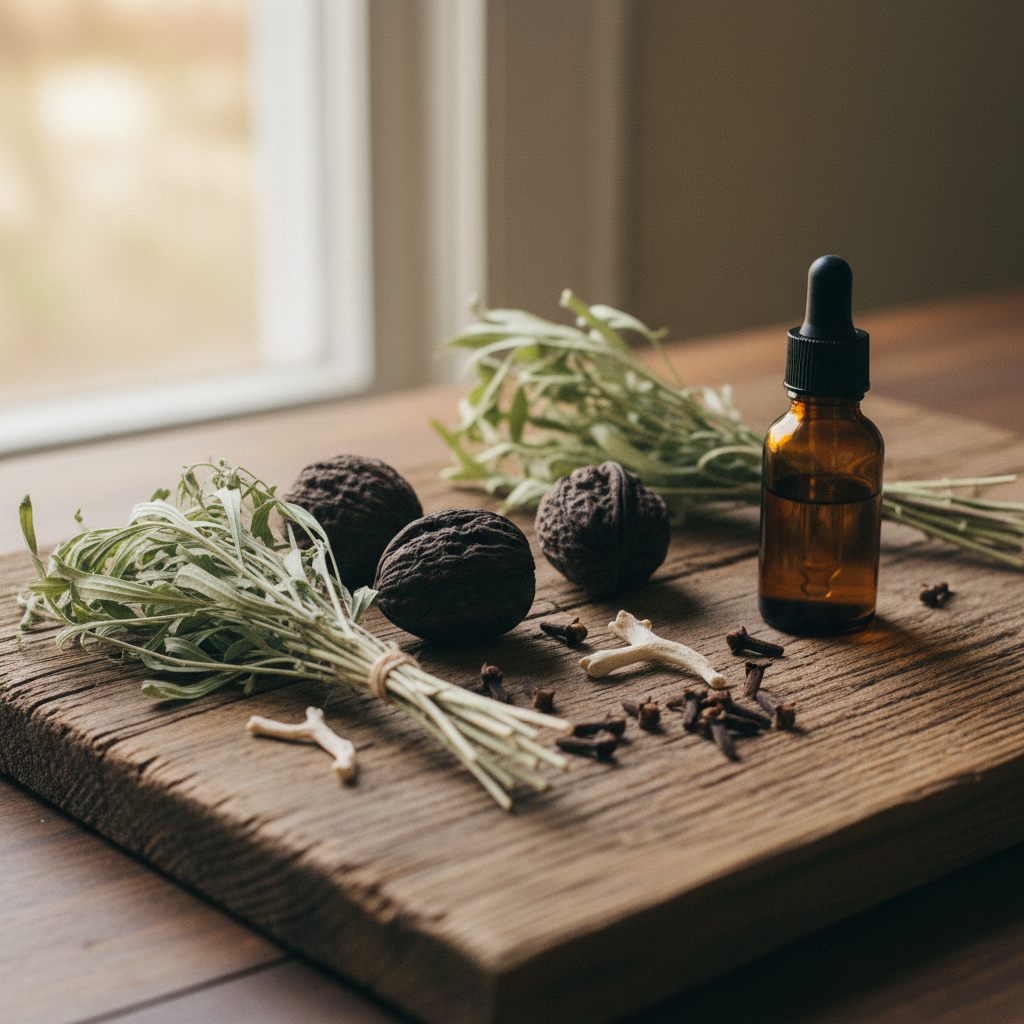
The classic trio is black walnut hull, wormwood, and clove. Each is thought to cover a different stage of the parasite life cycle. Wormwood has even been studied for its anthelmintic properties, the technical term for expelling worms.
The herbs are usually taken a few times a day and built up gradually. This phase runs two to six weeks, because consistency over time is what catches parasites at different points in their cycle. You can read more about the classic pairing in our guide to black walnut and wormwood.
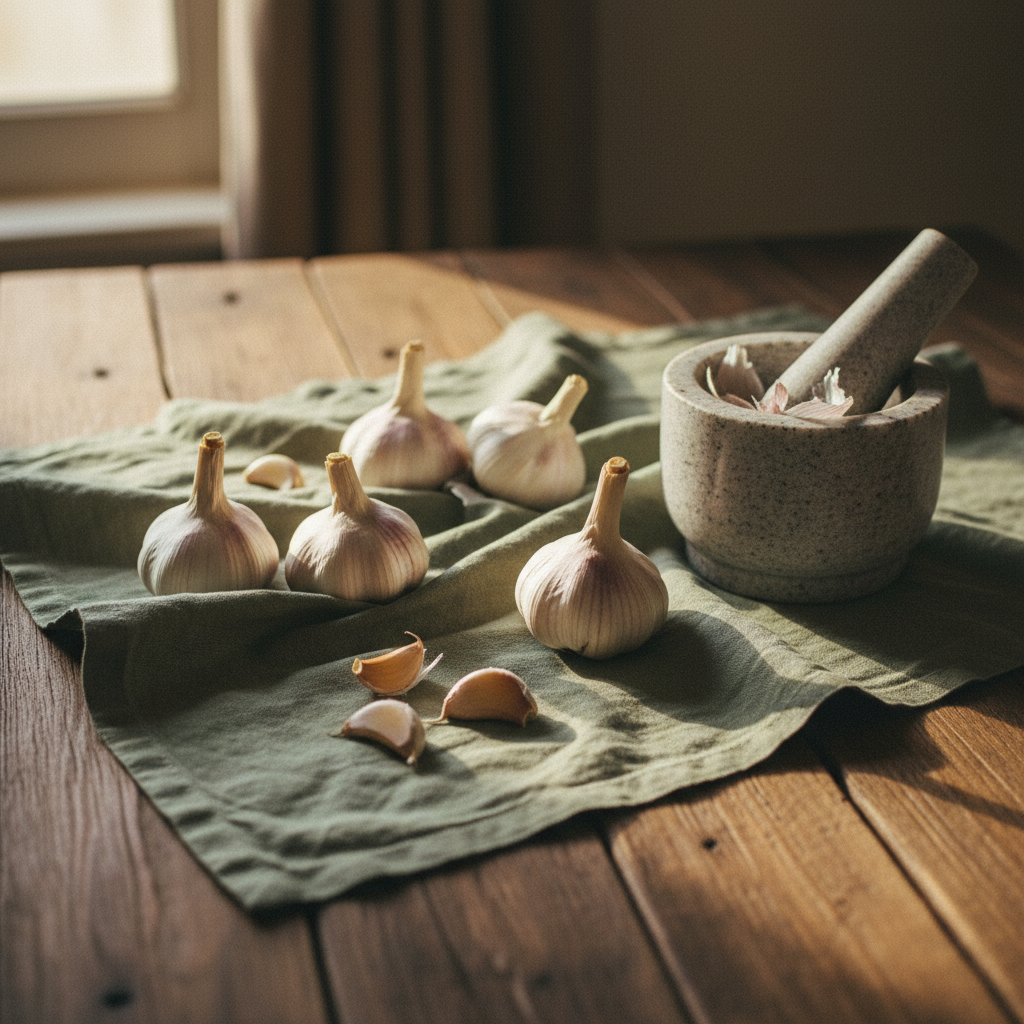
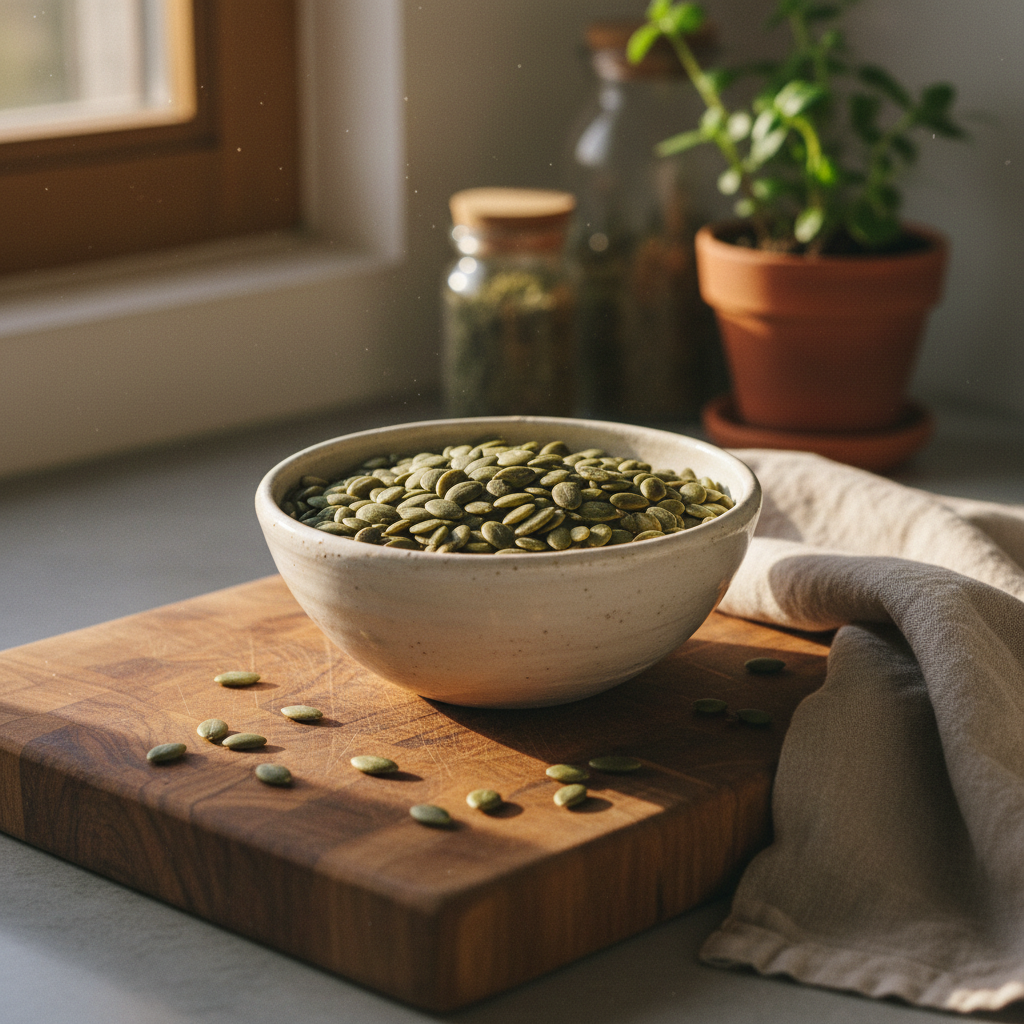
Food supports this phase too. Antiparasitic foods like pumpkin seeds and garlic can sit alongside the herbs and make the whole approach more layered.
“I completed the 30 day cleanse a week ago and I feel SO much better. It is amazing and I recommend it to everyone. No significant issues, and after doing my research I understood exactly why each step mattered.”
Phase 3: Binders and Support
As the herbs release toxins and debris, you need something to carry that material out. That is the job of a binder.
Binders like activated charcoal, bentonite clay, and chlorella act like a sponge in your gut, grabbing loosened material so it leaves rather than gets reabsorbed. The key is timing. Take binders away from food, herbs, and medications, usually one to two hours apart, so they target toxins and not your dinner.
Binders run alongside the herb phase, not instead of it. They are support, not the star. Together with open drainage, they keep the whole process cleaner.
A simple way to picture it is a relay. The herbs loosen and release. The binders catch and carry. Your drainage pathways do the final hand-off out of the body. If any one of those three is missing, the baton gets dropped, and that dropped baton is usually what people feel as a rough, sludgy cleanse. Get all three working together and the whole thing flows.
If you want a deeper look at just this piece, our full guide to the best parasite cleanse breaks down how herbs, binders, and drainage are meant to work as one system rather than separate steps.
Want This Done For You?
If mapping out herbs, binders, and drainage yourself feels like a lot, a structured kit takes the guesswork out.
See the Full GuidePhase 4: Managing Die-Off

Somewhere in the herb phase, you may hit a rough patch. Headaches, fatigue, brain fog, maybe irritability. This is die-off, also called a Herxheimer reaction.
It happens when toxins are released faster than your body clears them. It is usually a sign things are moving, not a reason to panic, but you do not have to just tough it out.
If die-off hits, the response is simple. Add a binder, drink more water, rest, sweat, and make sure your bowels are moving. If it is severe, ease back on the herbs rather than pushing through. Our guide to parasite die-off symptoms walks through what is normal and what is not.
Phase 5: Rest, Repeat, and Maintain
Here is the piece impatient people skip, and it might be the most important.
Parasites lay eggs. Eggs that survive your first round can hatch a couple of weeks later. That is why most solid protocols include a rest, then a second round to catch the new hatch.
A common rhythm is a full round, a short break, then a second shorter round. After that, cleansing becomes maintenance rather than a one-time event. Think of it like brushing your teeth. You would not do it once and call it done for the year.
How to Know Your Protocol Is Working
This is one of the most common questions, and the honest answer is that the signs are not always dramatic.
Some people see obvious physical evidence in the toilet. Others never do, yet still feel a real shift over the weeks. Both can mean the protocol is doing its job. Digging through your stool is not required to make progress.
More reliable than any single moment is the overall trend. Over a few weeks, many people notice steadier energy, clearer thinking, less bloating, more regular bathroom habits, and fewer of the nagging symptoms that sent them looking in the first place.
Die-off itself is also a clue. That temporary rough patch usually means something is being stirred up and moved out. Uncomfortable, but often a sign of activity rather than a reason to stop.
So judge the protocol by the arc, not the anecdote. Consistent, gradual improvement over weeks is exactly what a working cleanse tends to look like.
Named Protocols You’ll See Online
As you research, you will bump into specific branded protocols. It helps to know what they are without getting overwhelmed.
Protocols people ask about
- The Hulda Clark protocol. The original black walnut, wormwood, and clove approach that most modern cleanses trace back to.
- CellCore protocol. A practitioner-guided, phased system that leans heavily on drainage and binders.
- Ivermectin protocols. A pharmaceutical route some people ask about. This is a medication conversation for a doctor, not a herbal cleanse.
Different names, mostly the same underlying logic. Open drainage, target parasites, bind and clear, then repeat. The framework matters more than the brand.

A Protocol Without the Guesswork
If you would rather follow a complete framework than assemble one, here is a clear place to begin.
See the Step-by-StepCommon Protocol Mistakes to Avoid
Most cleanses that flop fail for the same handful of reasons. Sidestep these and you are ahead of most people who try.
The usual pitfalls
- Skipping drainage prep. Killing parasites before your exits are open is the number one cause of feeling awful.
- Quitting too early. Stopping after a week misses the eggs that hatch later. Consistency over time is the whole point.
- Taking binders with everything. A binder next to your herbs or food cancels out part of both. Space them.
- Going too hard, too fast. Maxing out doses to speed things up usually just makes die-off worse.
- Forgetting the second round. One round often is not enough to catch a full life cycle.
- Neglecting the basics. Water, sleep, fibre, and movement quietly carry a cleanse. Skip them and even great herbs struggle.
Notice a theme. Almost every mistake is about rushing or skipping a step. The framework works when you respect the order and give it time.
A Realistic Sample Timeline
Seeing the phases laid out on a calendar makes the whole thing click. Here is one realistic way a full protocol can unfold. Treat it as an example, not a prescription, and always follow the guidance that comes with your specific herbs.
| Timeframe | What you’re doing | Focus |
|---|---|---|
| Weeks 1 to 2 | Drainage prep | Daily bowels, water, sweat, liver support. No antiparasitic herbs yet |
| Weeks 3 to 6 | Active herbs plus binders | Build herbs up gradually, take binders spaced apart, manage die-off |
| Week 7 | Rest | Ease off herbs, keep drainage open, let the body settle |
| Weeks 8 to 10 | Second round | A shorter herb round to catch newly hatched parasites |
| Ongoing | Maintenance | Antiparasitic foods, good habits, occasional lighter rounds |
See how the drainage and rest phases are not optional add-ons? They are built into the timeline on purpose. That spacing is what keeps the whole thing gentle and sustainable.
Who Should Be Cautious
A protocol is not one-size-fits-all, and some people should take extra care or check with a professional first.
If you are pregnant or breastfeeding, several antiparasitic herbs are not appropriate, wormwood in particular. If you take prescription medication, timing and interactions matter, and binders can affect how your medicine is absorbed. If you have a chronic health condition, it is worth having a knowledgeable practitioner in your corner.
Children are their own category entirely. A protocol built for an adult body is not simply scaled down for a child. That is a conversation for a pediatrician.
None of this means a cleanse is dangerous. It means a little self-awareness goes a long way. Know your own situation, and adjust the framework to fit it rather than forcing yourself to fit the framework.
What to Eat During Your Protocol
Your diet during a cleanse is not a side note. It can quietly make or break how well the whole protocol goes.
The logic is simple. Parasites thrive on sugar and refined carbs, and they struggle in a body that is well nourished and moving waste efficiently. So the food side of a protocol is about starving what you are trying to clear while feeding your own recovery.
Simple diet guidelines
- Lean into: vegetables, fibre, antiparasitic foods like pumpkin seeds and garlic, and plenty of water.
- Ease off: refined sugar and processed carbs, which many parasites feed on.
- Support drainage: bitter foods and fibre keep bile and bowels moving.
- Stay hydrated: water is doing quiet work carrying everything out.
You do not need a perfect diet to get results. But nudging things in this direction takes pressure off your body and lets the herbs and binders do their job. Our guide to foods that fight parasites is a useful companion here.
The Bottom Line
A parasite cleanse protocol is really a sequence, not a supplement. Open your drainage, take the herbs consistently, bind and clear what they release, manage die-off, then rest and repeat.
Follow the order and the whole thing works with your body instead of against it. Rush it or skip the prep, and even great herbs will disappoint.
If all of this feels like a lot to hold in your head, do not worry. You do not have to memorise every detail before you start. Anchor on the five phases, open your drainage first, and give each stage the time it needs. The framework is forgiving as long as you respect the order and stay consistent. Progress in a cleanse comes from showing up steadily over weeks, not from doing any one thing perfectly.
Consistency is the real protocol. And that is worth knowing.
Frequently Asked Questions
What is a parasite cleanse protocol?
It is a structured, step-by-step plan for cleansing, rather than a single product. A good protocol moves through phases: open your drainage pathways, take antiparasitic herbs, add binders, manage die-off, then rest and repeat. The order is a big part of why it works.
How long does a parasite cleanse protocol take?
Most run four to six weeks per round once you include a drainage prep phase, the active herb phase, and die-off management. Because parasite eggs can hatch after the first round, many people do a second shorter round after a short break. Consistency over time matters more than speed.
What order should I do the steps in?
Drainage first, always. Open your bowels, kidneys, liver, and lymph before you start killing parasites, or the released toxins have nowhere to go. Then add the herbs, run binders alongside them, manage die-off as needed, and finish with rest and a repeat round.
Do I need binders in my protocol?
Most people find a cleanse smoother with binders, because they carry out the toxins the herbs release instead of letting them get reabsorbed. They are supportive rather than essential, but they can noticeably ease die-off. Take them away from food, herbs, and medications.
How often should I repeat a cleanse?
A common approach is a second round shortly after the first to catch newly hatched parasites, then cleansing a few times a year as maintenance. Cleansing is not really one-and-done. Think of it as an ongoing practice rather than a single event.
What is the best parasite cleanse protocol?
The best one is the one you can actually stick to, built on the same reliable framework: drainage, herbs, binders, die-off support, and repetition. Named systems like the Hulda Clark or CellCore protocols follow this same logic. The structure matters more than the brand name.